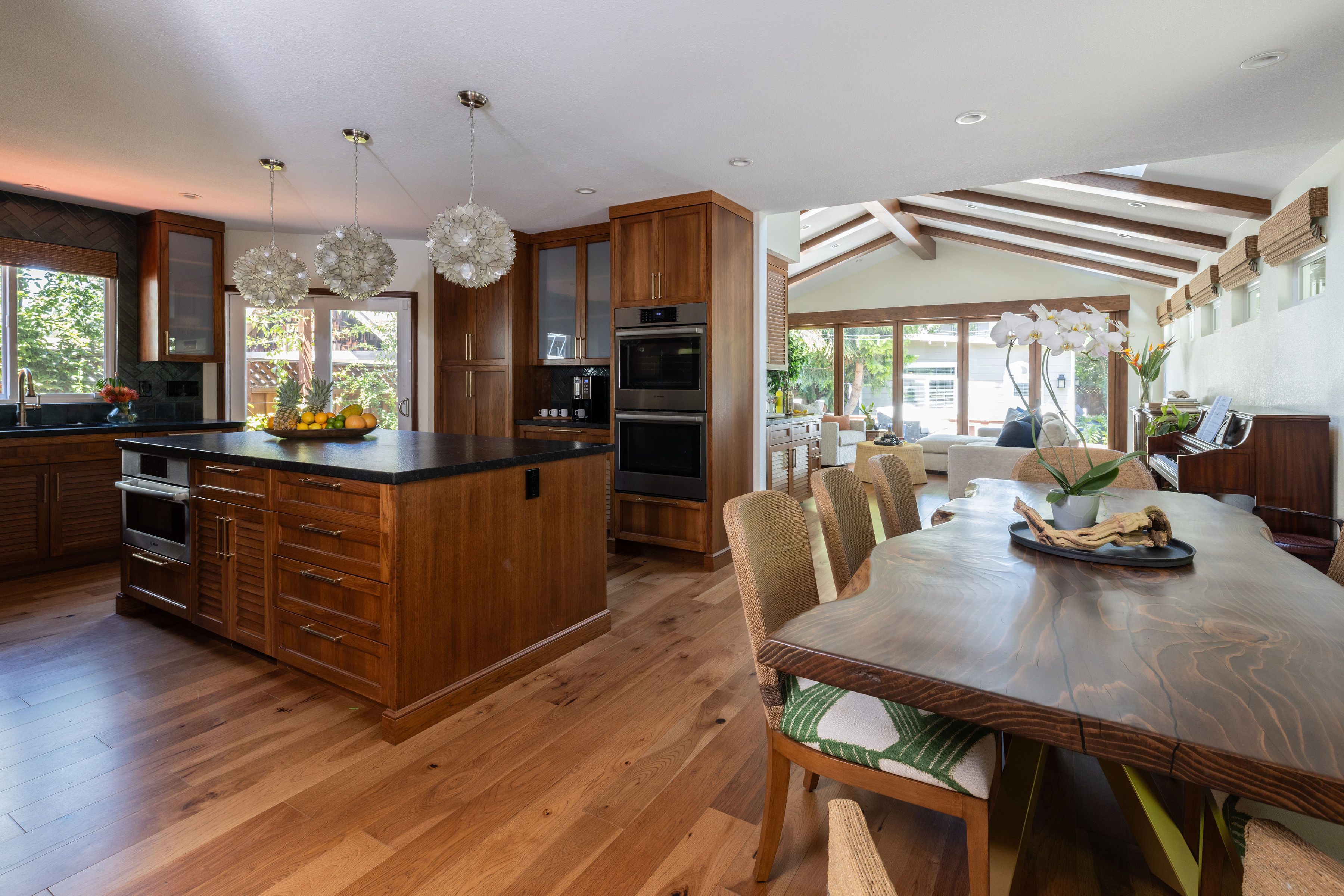

One of the first questions homeowners ask when they start thinking about an open floor plan remodel is a deceptively simple one: can that wall come down?
It’s an easy thing to wonder and a surprisingly hard thing to answer without looking closely at how the house is actually built. Some walls are purely cosmetic — they divide space but carry no structural load, and removing them is relatively straightforward. Others are doing critical work: holding up the floor above, supporting the roof, or transferring loads down through the house to the foundation. Removing one of those without the right planning doesn’t just create a construction problem. It creates a safety problem.
Understanding the difference early — before design decisions are made and before expectations are set — is one of the most useful things a homeowner can do going into a remodel.
What Makes a Wall Load-Bearing?
A load-bearing wall is one that supports the weight of the structure above it — whether that’s a floor, a roof, or both — and transfers that load down through the house to the foundation. Non-structural walls, sometimes called partition walls, simply divide space. They’re holding up drywall, not the house.
A few general indicators that a wall may be load-bearing:
- It runs perpendicular to the floor joists above it rather than parallel to them.
- It sits above the foundation or a beam in the basement or crawl space.
- It’s located near the center of the house, parallel to the ridge of the roof.
- There are walls directly above or below it on multiple floors.
That said, none of these is definitive on its own. A wall that checks several boxes might still be non-structural, and a wall that looks innocuous can turn out to be critical. The only way to know for certain is to have a qualified professional — a structural engineer or an experienced design-build team — evaluate it, ideally by looking at the original framing plans and the actual structure.
What Happens When You Remove a Load-Bearing Wall?
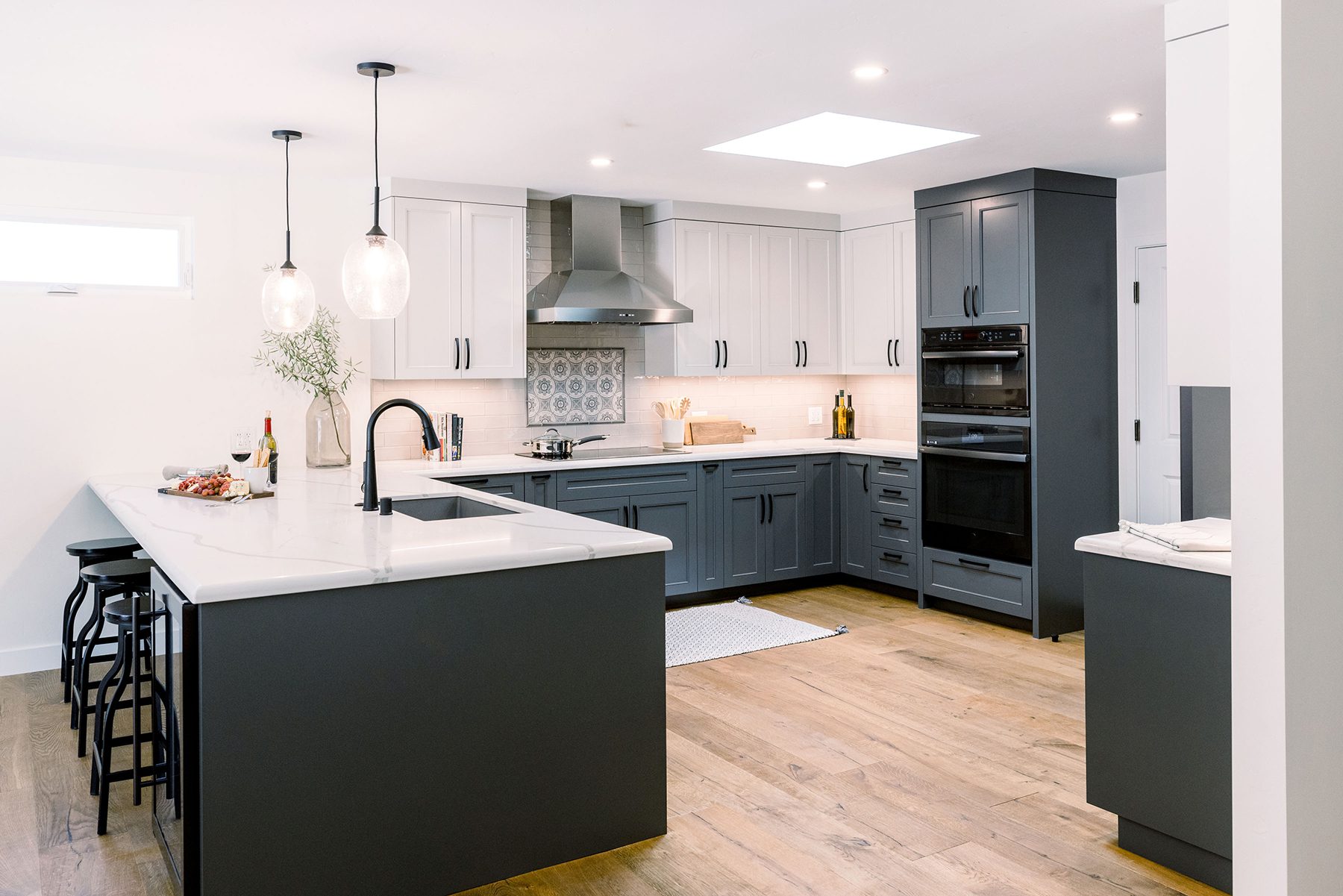
Removing a load-bearing wall is standard in many open-floor-plan remodels. The key is redirecting the structural load the wall once carried.
In practice, that usually means installing a beam — engineered lumber, steel, or a combination — to span the opening and carry the load to posts or columns on either end, which then transfer it down to the foundation. The size and type of beam depends on the span, the load it’s carrying, and the specifics of how the house is framed.
This is where the structural engineering review becomes essential. A licensed structural engineer will calculate the load requirements, specify the right beam, and produce drawings that the contractor and the building department can work from. Skipping this step — or relying on a guess — is how projects run into serious trouble.
Permits, Inspections, and What Santa Clara Requires
In Santa Clara County, removing a load-bearing wall requires a permit. There’s no way around this, and there are good reasons not to try. Unpermitted structural work creates real problems when you sell — disclosure requirements mean you’ll likely have to address it anyway, often at greater expense than doing it right the first time.
The permit process for wall removal typically involves submitting structural drawings prepared or reviewed by a licensed engineer, along with a building permit application. Once the work is done, a building inspector will verify that the beam, posts, and connections were installed correctly before the walls are closed up.
In cities across Santa Clara County — San Jose, Saratoga, Los Gatos, Campbell, and others — the process is generally consistent, though specific requirements and review timelines can vary by jurisdiction. An experienced local contractor will know what each city’s building department expects and can help keep the permitting process moving. You can learn more about our remodeling process from start to finish and how we handle the permitting stage.

Why This Matters for Your Open Floor Plan Remodel
The practical design implication of all of this is straightforward: the structural reality of your home should be part of the conversation from the very beginning, not a mid-project discovery.
When a design team understands the structural framework early, they can work with it intelligently. Sometimes a beam can be concealed within the ceiling. Sometimes it’s celebrated as an architectural feature. Sometimes the structural constraints point toward a different layout altogether — one that achieves the same goals with less disruption and cost. None of those decisions can be made well without knowing what you’re working with.
The homeowners who are happiest with their open floor plan remodels are the ones who started with a clear picture of their home’s structure and let the design build around it, rather than designing first and hoping the structure cooperates.

What to Ask When You’re Getting Started
If you’re in the early stages of thinking about a remodel that involves opening up your floor plan, a few questions worth raising with your design-build team:
- Which walls in this area are likely structural, and what would it take to remove them?
- What kind of structural review will be needed, and when should we bring in an engineer?
- What are the permitting requirements for this scope in our city?
- Are there layout alternatives that achieve the same result without removing structural walls?
Getting clear answers to these questions early doesn’t slow the project down. It usually speeds it up — because you’re not redesigning around surprises discovered during demolition.
The Right Foundation for an Open Floor Plan
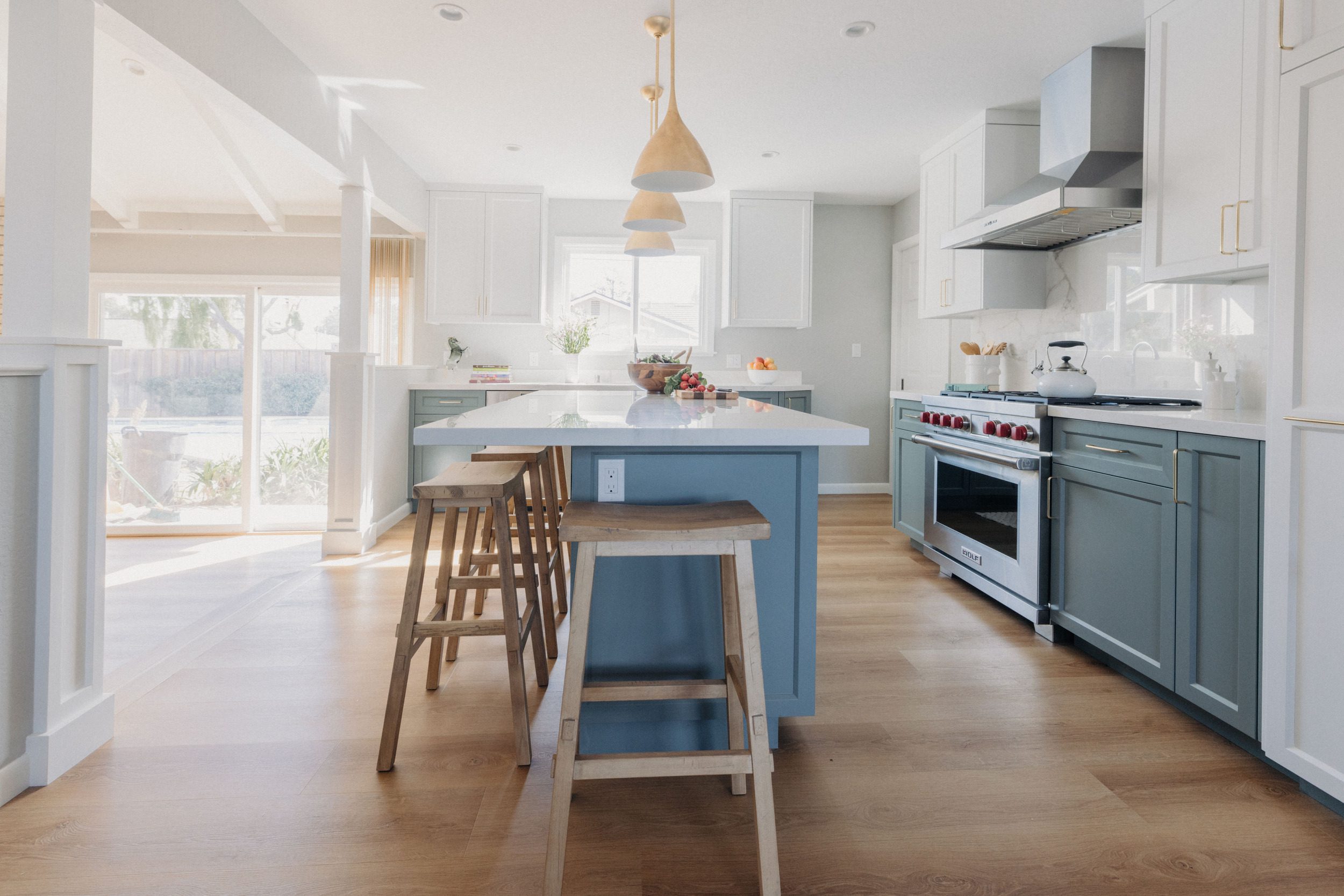
Opening up a floor plan is one of the most transformative things you can do in a home. It changes how light moves through the space, how the home feels to live in, and how family and guests interact. Done well, it’s one of the remodeling decisions homeowners are most satisfied with.
Done without the right structural groundwork, it’s one of the most expensive to fix.
Next Stage Design + Build works with homeowners across San Jose, Saratoga, Los Gatos, and other Santa Clara County cities on remodels of all scales. If you’re thinking about opening up your home’s floor plan and want to understand what’s actually possible — structurally, architecturally, and practically — we’d love to have that conversation with you.