Contemporary Classic Sunnyvale
This whole home transformation turned a 1960s ranch-style house in Sunnyvale into a modern, entertainment-friendly home — while honoring the deep personal history it held for its owners. The homeowners had grown up in the house and carried a strong attachment to it, which shaped every decision: nothing about this project was about erasing the past, but about making the home worthy of the next chapter.
Their goals were clear: more space, a larger and more connected kitchen, and a curb appeal that finally reflected the warmth of the people inside. The design delivered on all three — and then some. Walls came down to open the layout. A carefully considered addition extended the home while working with, not against, the existing rooflines. A new front porch gave the house a welcoming presence it had never had. The result is a home that feels brand new yet deeply personal.
Before: A Ranch Layout That
Worked Against Itself
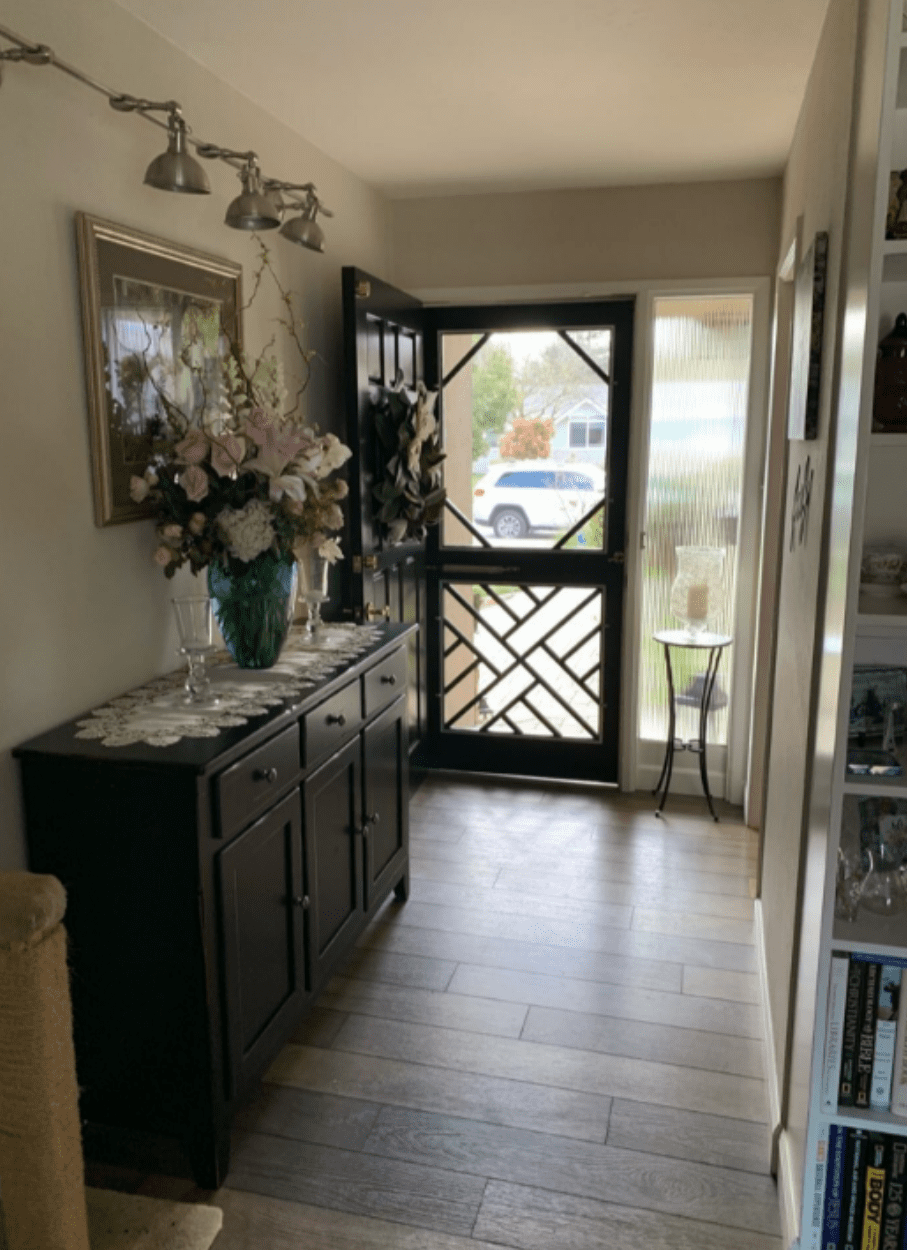
The original ranch-style home had several functional and aesthetic challenges working against each other. An unused office sat in a poor location, disrupting the flow between living spaces. The entry was small, dark, and uninviting — the first impression it made was one of compression rather than welcome.
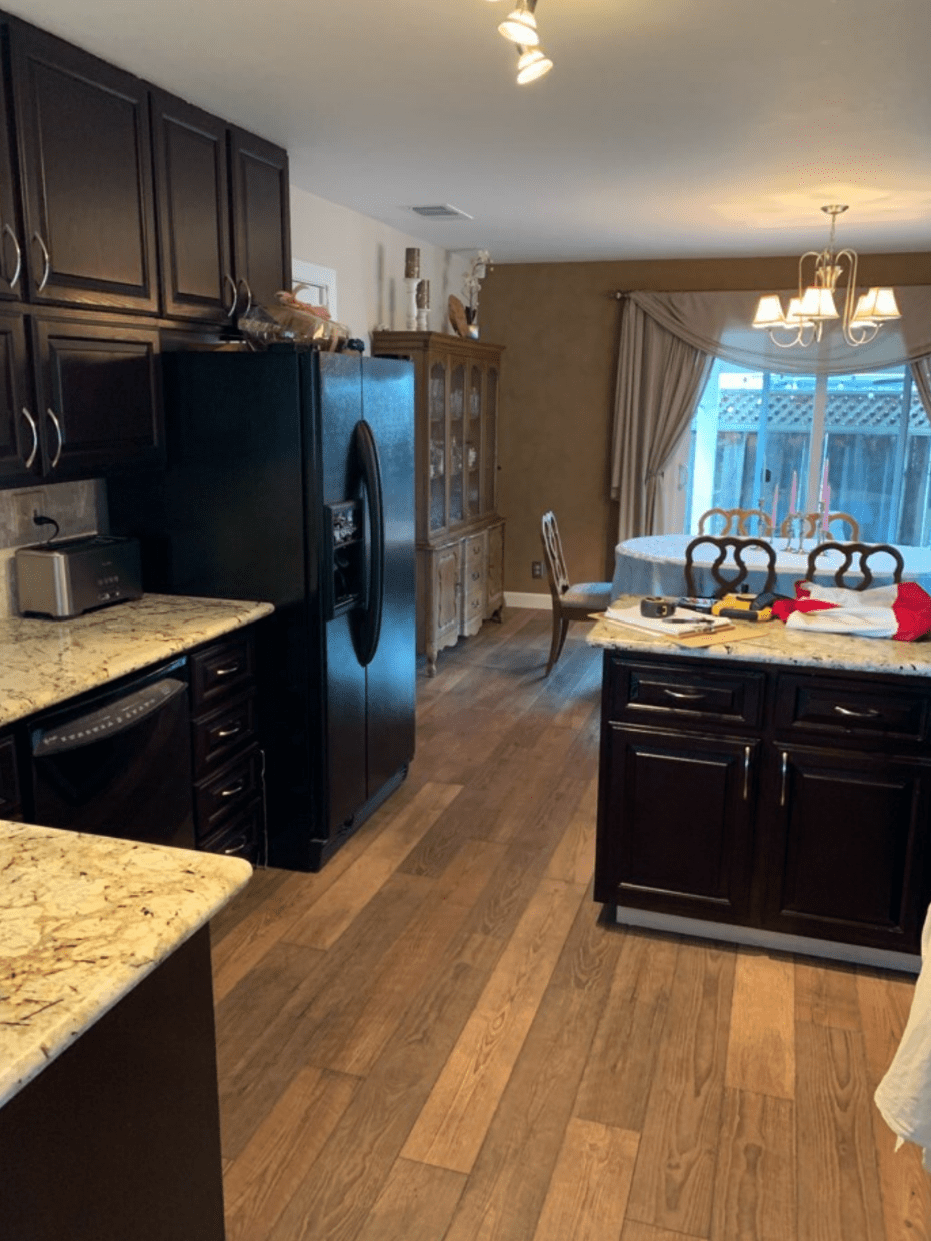
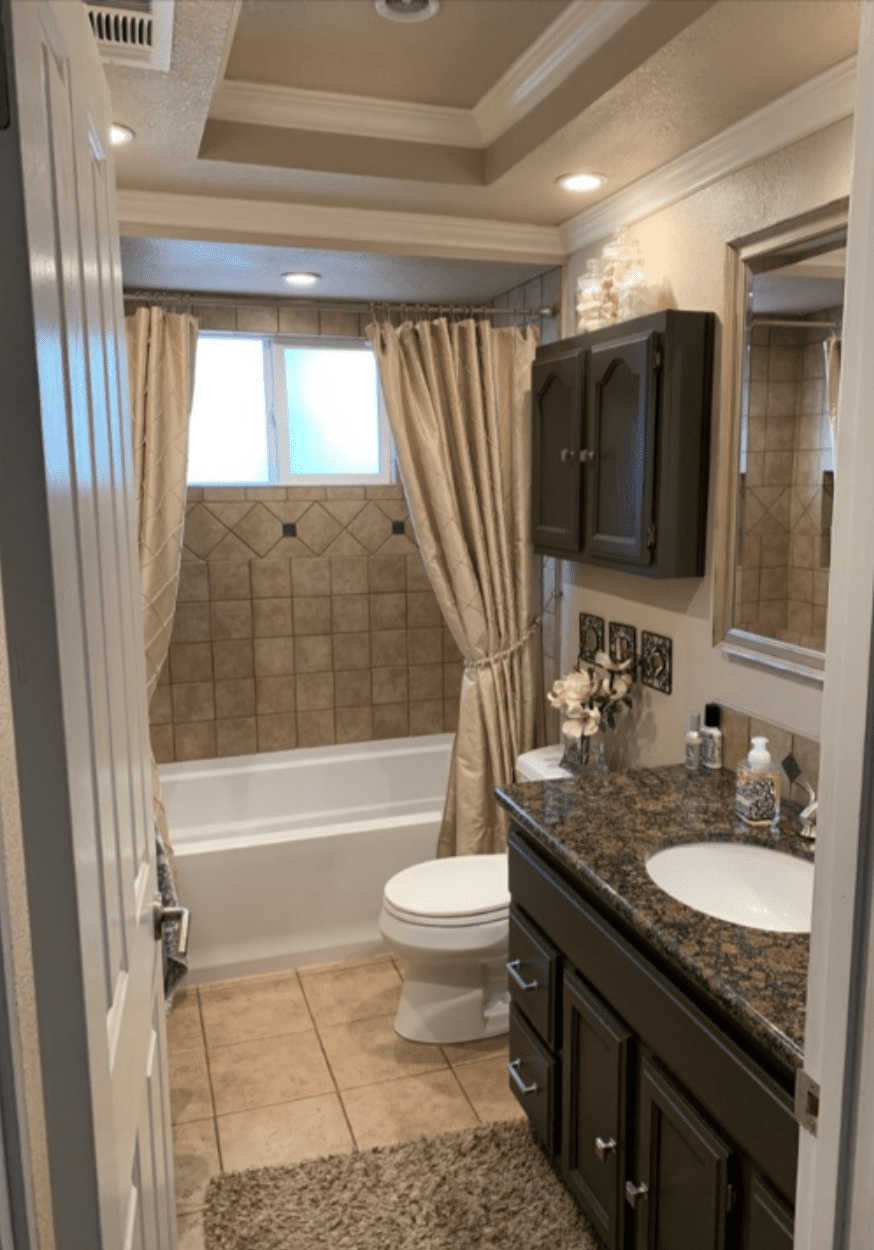
The kitchen was the most significant limitation. Cramped and enclosed, it offered minimal counter space and no visual connection to the family room or backyard — a real obstacle for homeowners who loved to entertain. The hall bathroom was outdated and dark. The large front yard went largely unused, offering little in the way of curb appeal or outdoor living. And with no bathroom on one side of the house, the layout created daily inconvenience for residents and guests alike.
Next Stage’s Design: From Closed-Off Rooms to an Open, Connected Home
The design centered on two interconnected goals: opening the interior for effortless flow and entertaining, and transforming the exterior into a home that announces itself with character.
Inside, the approach was surgical. The unused office became a dining room, repositioned to serve the social heart of the home. The kitchen was enlarged and opened to the family room, eliminating the wall that had been isolating it for decades. A new living room with a fireplace was added, created from what had been unused front yard space. The redesigned entry now leads directly into the home’s activity areas rather than into a closed-off room. An additional bathroom addressed the gap on the home’s bedroom wing.
Outside, the addition required innovative structural work to integrate seamlessly with the existing rooflines — one of the project’s most significant technical challenges. The result is a new front porch that reads as original to the house, not as something added later. Updated entry features and enhanced architectural detailing complete the transformation.
You can view this project on our Houzz portfolio as well.