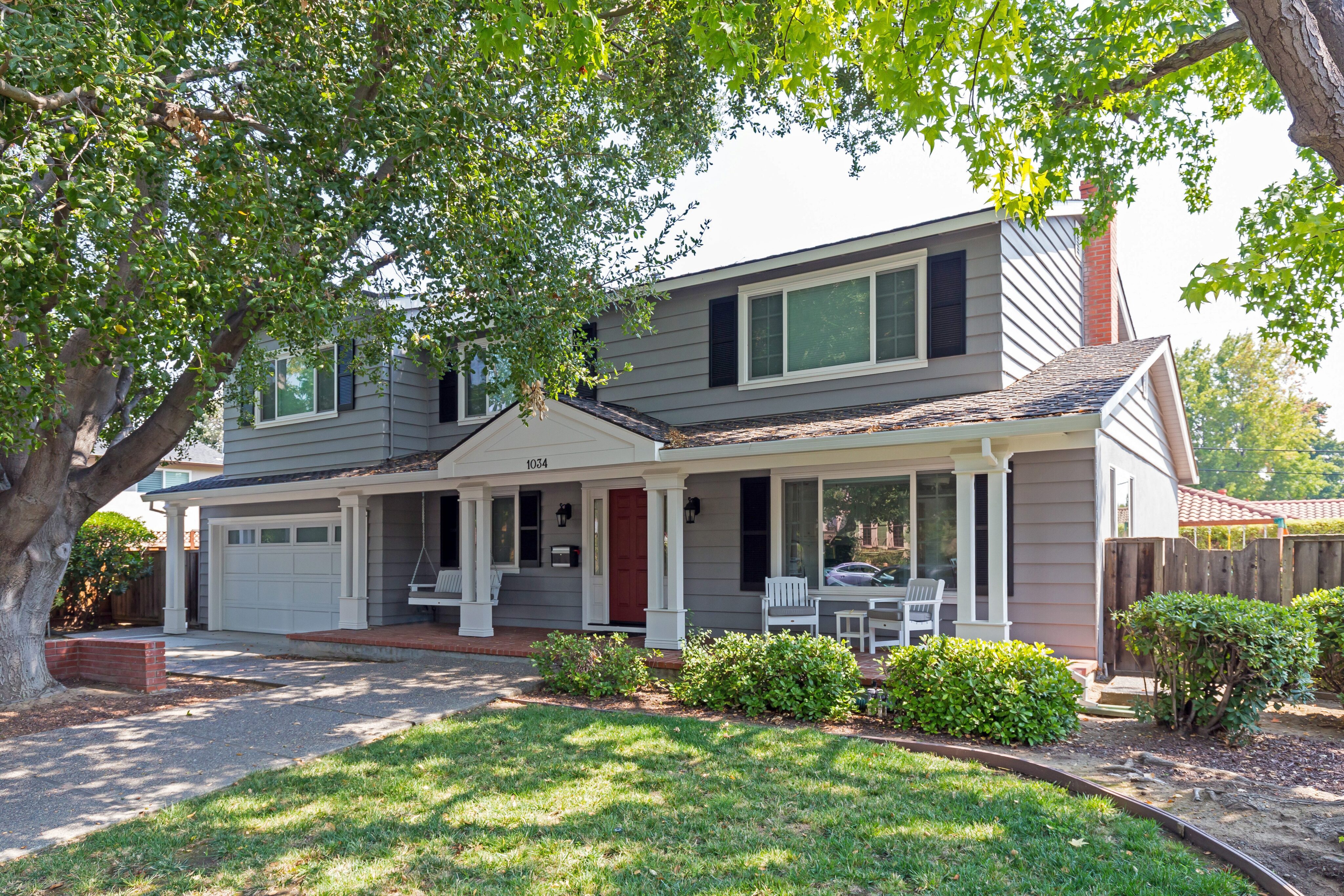
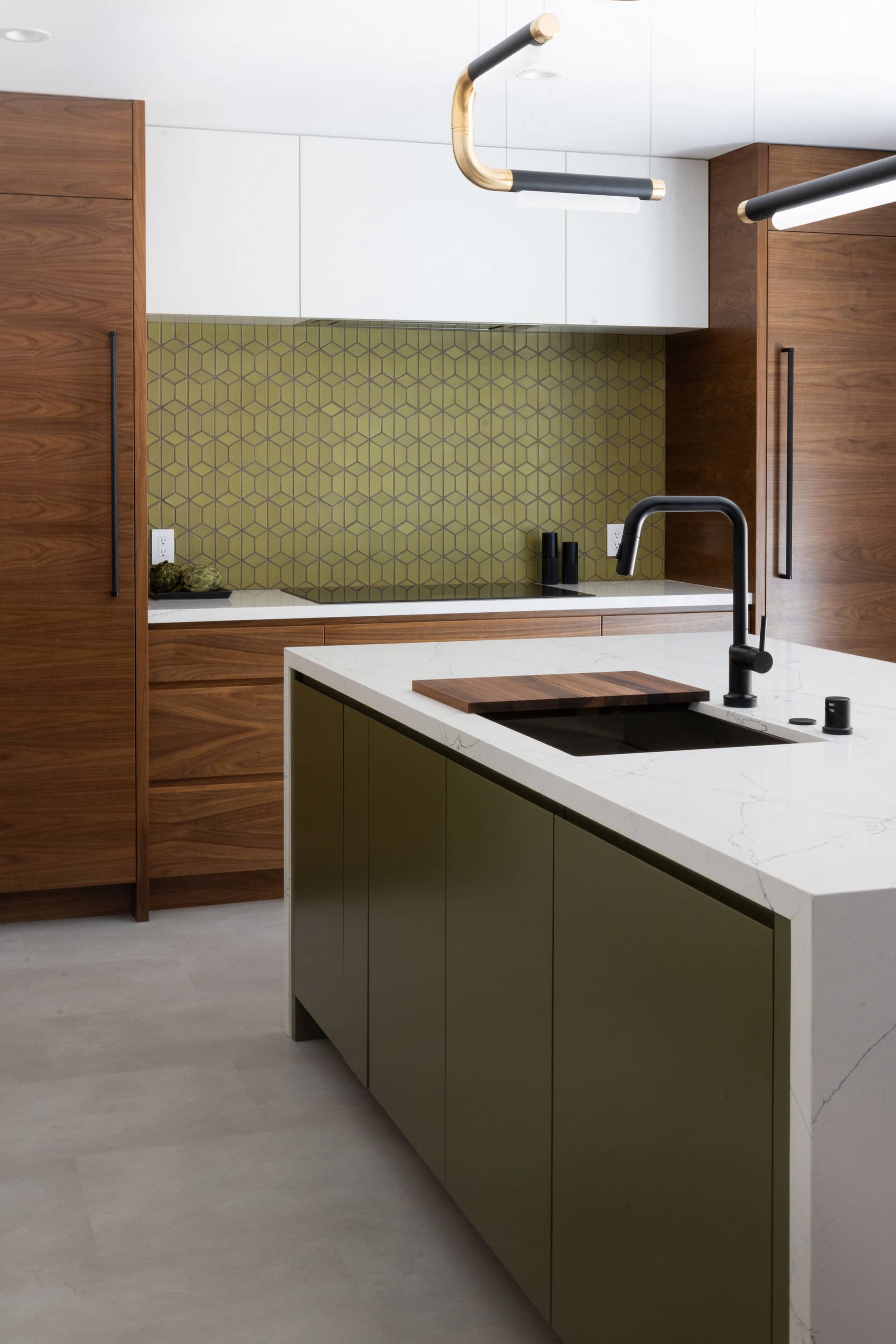
When homeowners think about remodeling, interior and exterior projects are often treated as separate conversations. Kitchens and bathrooms get the attention indoors, while siding, windows, and paint colors are handled later — sometimes years later — as stand-alone upgrades. The result can be a home that feels disjointed: beautiful inside, but disconnected from its exterior presence.
A more thoughtful approach to exterior remodeling looks at the home as one cohesive system. When interior and exterior design are intentionally coordinated, the architecture feels stronger, the design more timeless, and the overall experience more complete. Here’s how to approach exterior remodel ideas for cohesive design — and how to ensure your home feels unified inside and out.
Start with Architectural Intent, Not Trends
True whole-home design consistency begins with understanding your home’s architectural language. Is it mid-century modern, traditional, transitional, contemporary, or something more regional? Before selecting new exterior materials or colors, step back and identify the core characteristics of the home: rooflines, proportions, symmetry, and original detailing.
The goal isn’t to force your interior style onto the exterior, but to find alignment. For example, a home with clean interior lines, minimal trim, and neutral palettes may feel mismatched with ornate exterior details or overly decorative window grids. Conversely, a classic interior with layered millwork and warmth may feel disconnected from a stark, ultra-modern façade.
When homeowners ask, “Should the inside of my house match the outside?” the answer is not “match exactly,” but rather “speak the same design language.”
Coordinate Materials for Visual Continuity
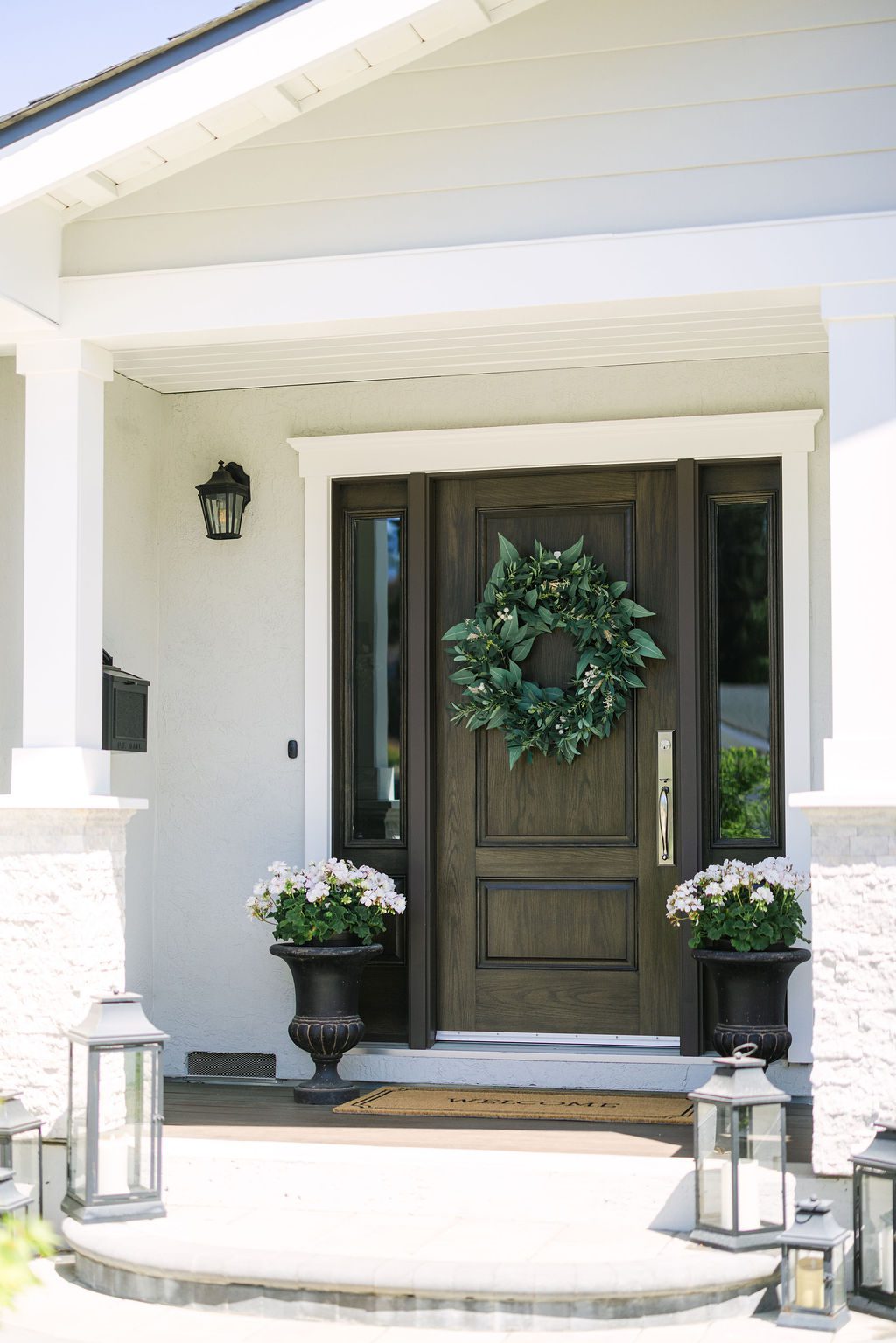
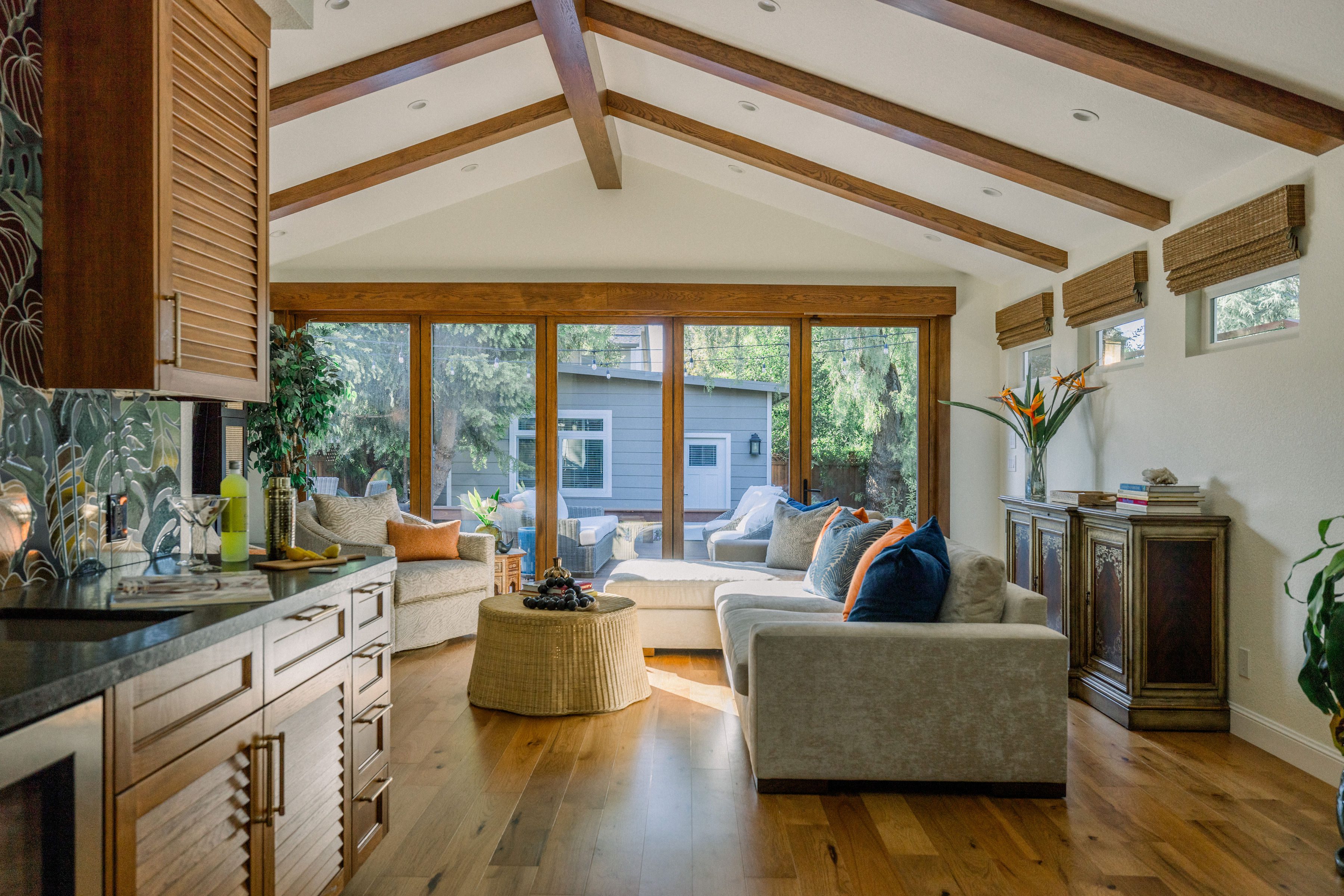
Material selection plays a major role in coordinating home design inside and out. Look for opportunities to echo textures and finishes rather than replicate them directly.
For example:
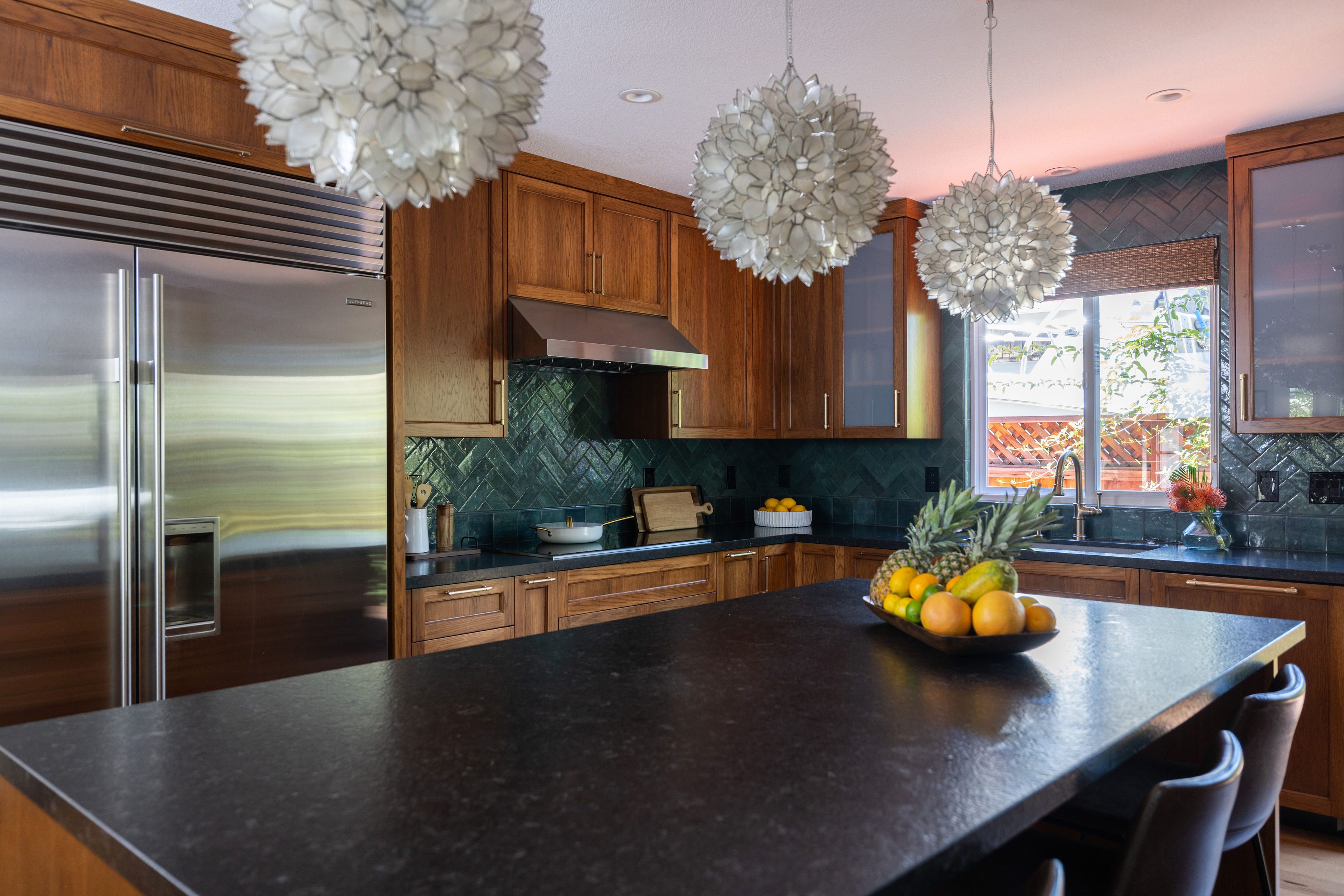
- Warm wood tones inside can be reflected through wood-look siding, entry doors, or soffit details.
- Stone or brick used in fireplaces or accent walls can inform exterior masonry choices.
- Metal finishes (black, bronze, brushed steel) used on interior fixtures can align with exterior railings, window frames, or light fixtures.
This approach creates subconscious continuity. Even if visitors can’t articulate why the home feels cohesive, they’ll feel the difference.
Align Window Styles and Trim Profiles
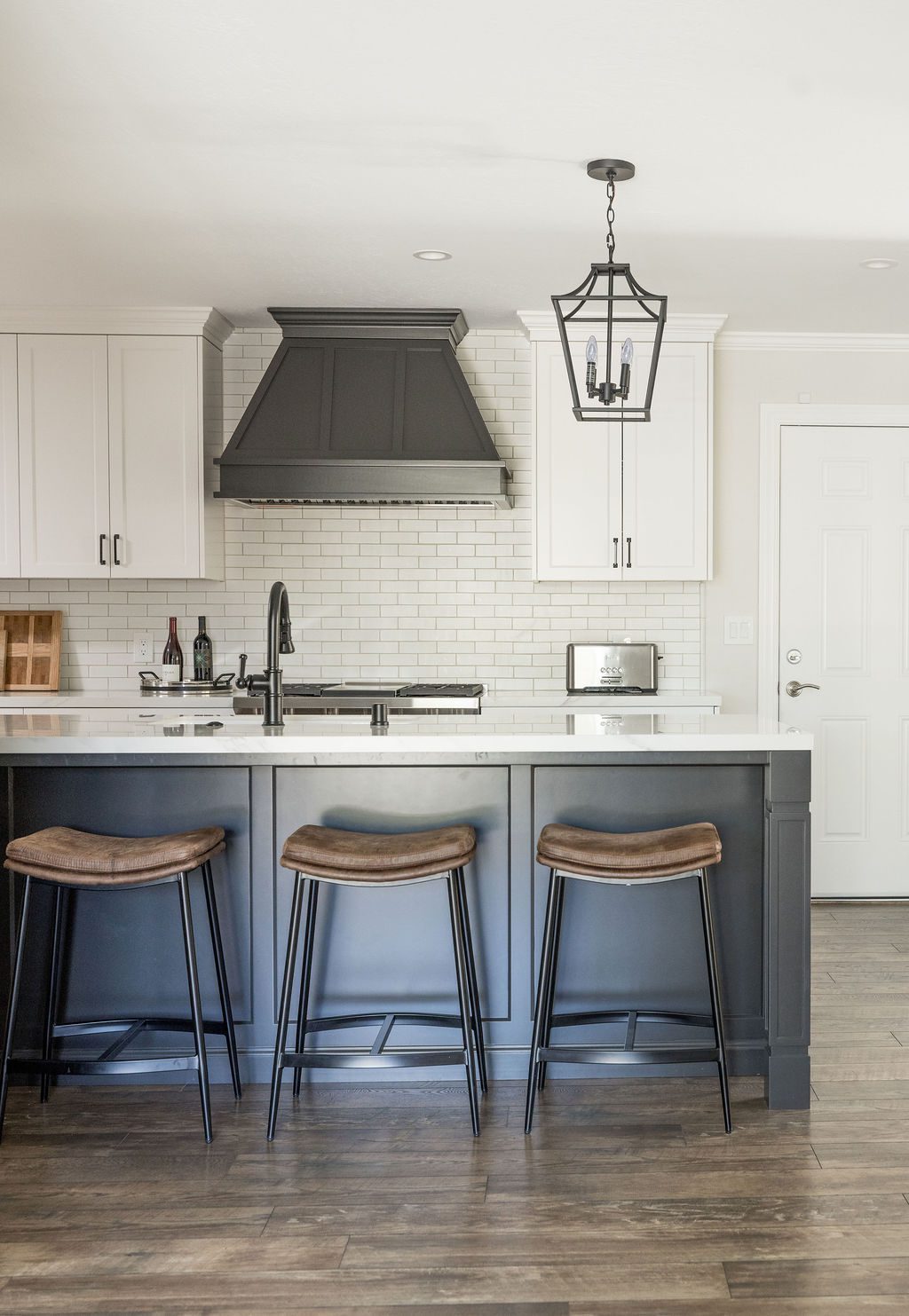
Windows are one of the most overlooked elements in whole-home design. From the exterior, window proportions, grille patterns, and trim profiles define architectural character. From the interior, they frame views, control light, and influence how modern or traditional a space feels.
If you’re replacing windows as part of an exterior remodel, consider how those changes will read indoors. Large, unobstructed glass often complements modern or transitional interiors, while divided-lite windows may better suit classic or craftsman-inspired spaces.
Similarly, exterior trim profiles should feel compatible with interior millwork. Overly ornate exterior trim paired with minimal interior casing — or vice versa — can create subtle but persistent visual tension.
Use Color as a Unifying Tool
Color is one of the most powerful ways to create whole-home design consistency. Your exterior palette doesn’t need to mirror interior wall colors, but it should feel related.
If your interior leans warm and neutral, an exterior in stark cool grays may feel disconnected. If your home features bold interior contrasts, a flat, overly subdued exterior may feel underwhelming.
Think in terms of tone and temperature:
- Warm interiors often pair well with warm whites, taupes, or natural hues outside.
- Cooler interiors can support crisp whites, charcoals, or muted blues.
- Accent colors used indoors can subtly reappear on front doors, shutters, or outdoor furniture.
This strategy answers a common question: “How do I make my home’s exterior match the interior?” — by coordinating mood and tone rather than duplicating color swatches.
Design Outdoor Spaces as Transitional Rooms
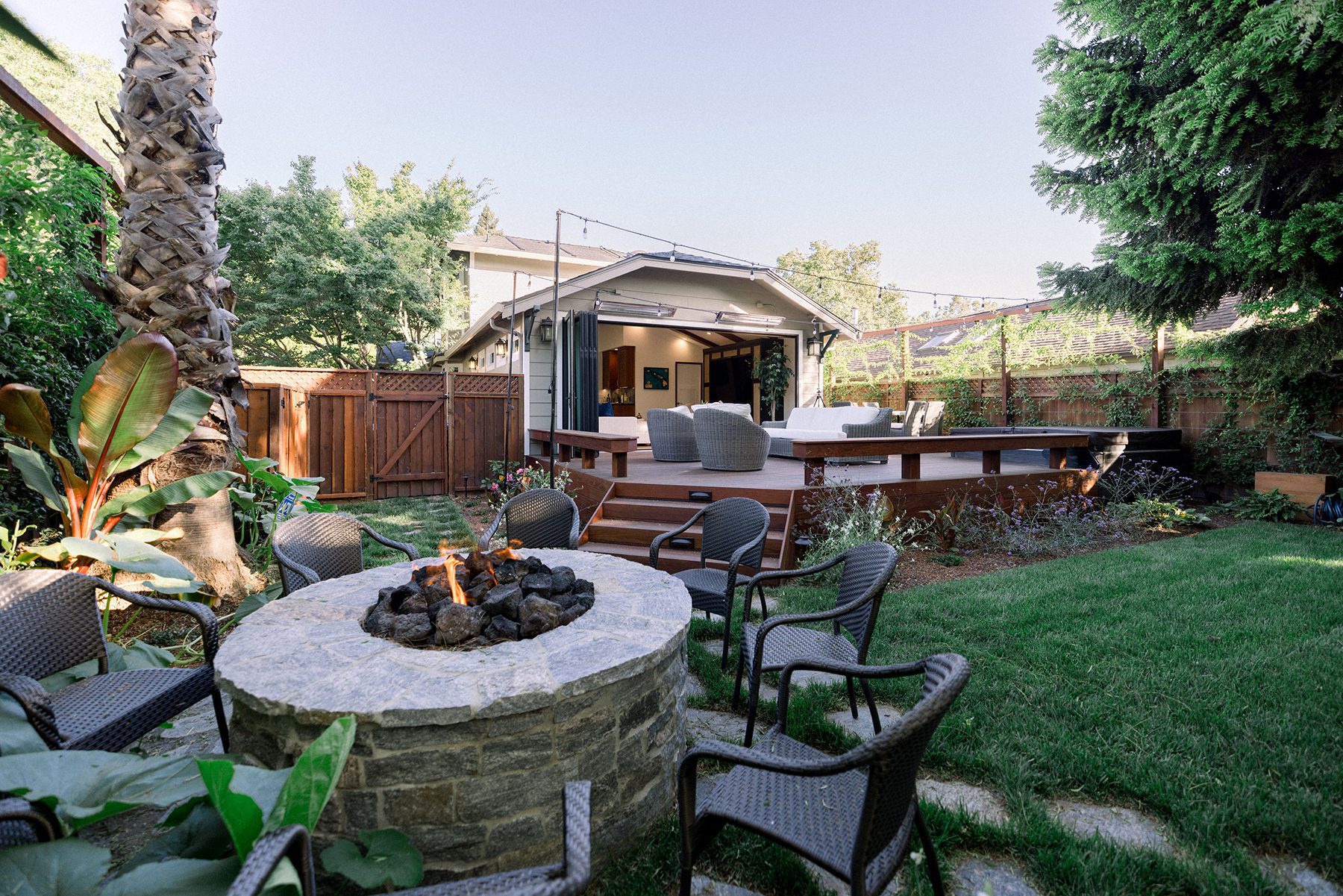
Outdoor living spaces are the bridge between interior and exterior design. Covered patios, decks, porches, and outdoor kitchens should feel like an extension of the home, not an afterthought.
Use similar flooring tones, ceiling materials, lighting styles, and furnishings to blur the boundary between inside and out. When these spaces are designed intentionally, they reinforce cohesion and elevate curb appeal at the same time.
Plan Exterior Remodeling with the Whole Home in Mind
The most successful exterior remodeling projects are guided by a long-term, whole-home vision. Rather than upgrading siding, windows, or doors in isolation, consider how each decision supports the overall design narrative of the home.
A cohesive exterior doesn’t just improve curb appeal — it strengthens architectural integrity, enhances daily experience, and protects the value of interior investments.
When interior and exterior design are aligned, the home feels intentional from every angle — not just renovated, but thoughtfully designed as a complete, unified whole.
Bring It All Together with a Whole-Home Approach
Creating true design consistency — inside and out — requires more than good taste. It takes thoughtful planning, architectural understanding, and a team that can see the full picture from the start. When exterior remodeling decisions are made in isolation, opportunities for cohesion are often missed. When they’re guided by a whole-home vision, every detail reinforces the next.
Next Stage Design + Build specializes in this kind of integrated thinking. Our design-build process allows us to align architecture, materials, and long-term planning across both interior and exterior projects, ensuring your home feels intentional at every stage. Whether you’re planning an exterior refresh or a multi-phase remodel, we help you make decisions that support lasting design consistency — not short-term fixes.
If you’re ready to design a home that feels cohesive, timeless, and thoughtfully connected from the curb to the interior spaces, work with Next Stage Design + Build to create a whole-home plan that reflects how you live today and where you’re headed next.