In modern home design, visual beauty is only part of the story. Acoustic comfort—how sound travels and how peaceful your spaces feel—is just as important, but often overlooked. Thoughtful sound management transforms a house from a collection of rooms into a true sanctuary, supporting work, rest, and family life all at once.
Why Acoustic Comfort Matters in Modern Homes
Noise isn’t just annoying—it impacts sleep, productivity, and stress levels. Open floor plans, busy households, and multipurpose spaces make controlling sound even more essential. Designing a quiet home ensures bedrooms, home offices, and relaxation areas stay peaceful, even when activity is high elsewhere.
Quick takeaway: A home that balances activity and calm improves focus, rest, and well-being for everyone.
What Causes Noise to Travel in a House
Understanding why sound spreads is key to effective quiet home design:
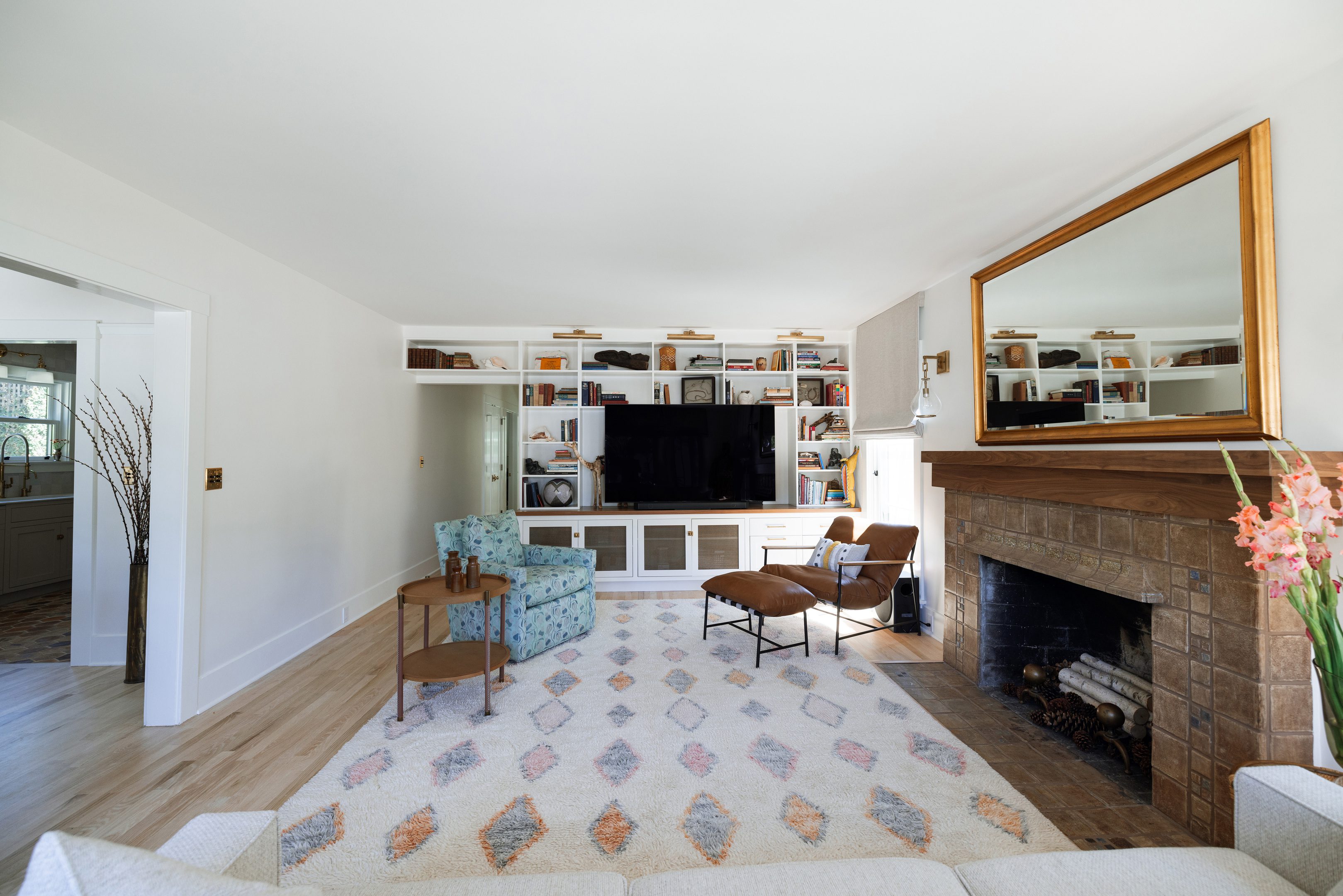
- Hard surfaces: Tile, hardwood, and concrete reflect sound.
- Thin walls or ceilings: Sound easily passes through under-insulated partitions.
- Open doorways and staircases: Noise flows freely between rooms.
- Minimal soft furnishings: Bare floors, walls, and furniture create echoes.
Pro tip: Even small gaps around doors or windows can make a noticeable difference in sound travel.
How to Zone Your Home for Quiet and Activity
Effective zoning is one of the easiest ways to design a quieter home:
- Place bedrooms and offices away from kitchens, living rooms, and high-traffic areas.
- Use transitional spaces—like hallways or entryways—as sound buffers.
- Arrange furniture strategically to define zones without building walls.
Even in open layouts, these simple steps create pockets of calm without closing off spaces entirely.
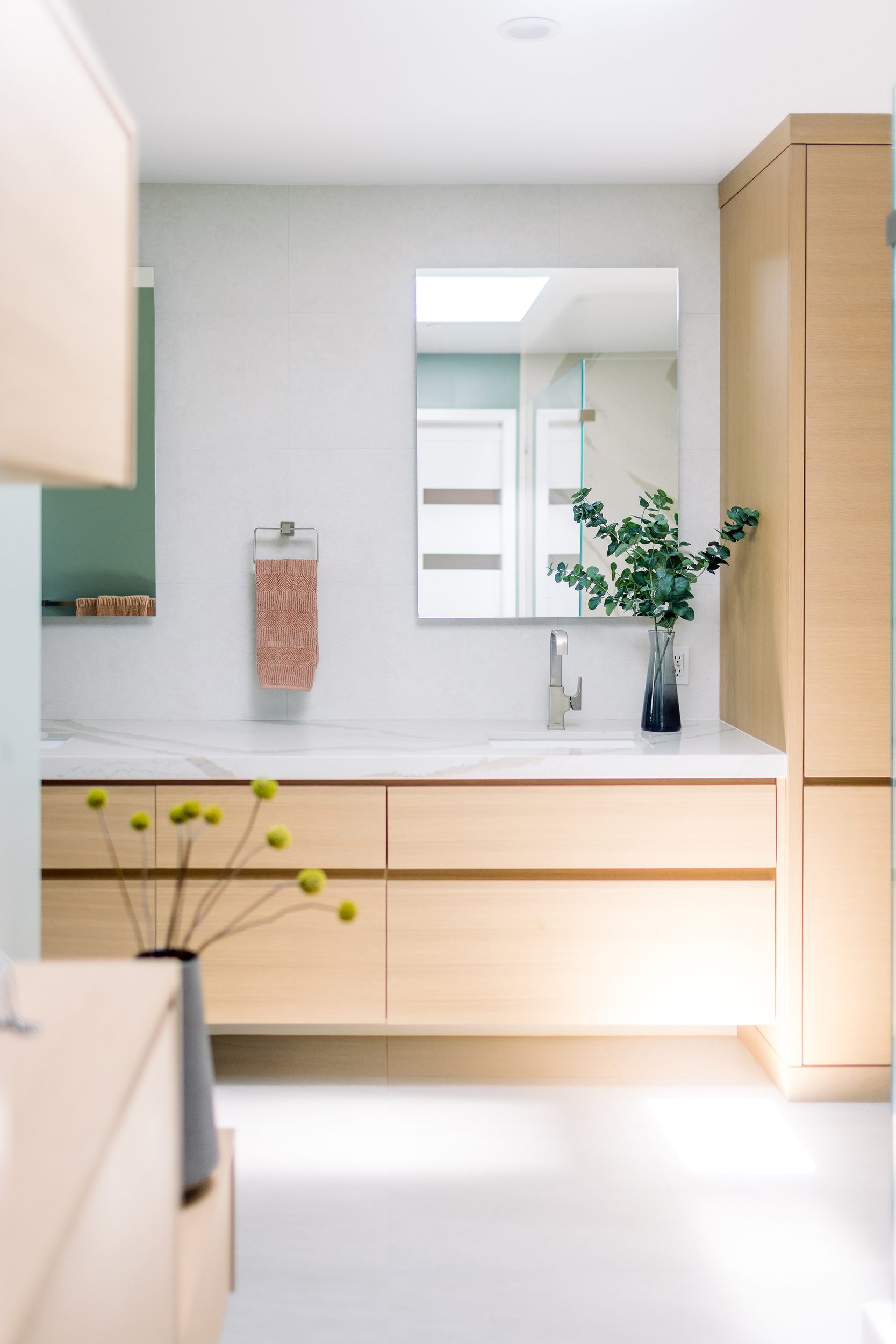
Best Materials for Reducing Noise Indoors
Materials matter. Here are the most effective ways to reduce indoor noise:
| Material | Where to Use | Why it Works |
|---|---|---|
| Carpets & rugs | Living rooms, hallways | Absorbs impact noise and echoes |
| Acoustic panels | Ceilings, walls | Dampens sound, reduces reverberation |
| Solid-core doors | Bedrooms, offices | Blocks sound between rooms |
| Insulated walls | Between high-activity and quiet areas | Reduces transmission of airborne noise |
| Soft furnishings & drapes | Anywhere with hard surfaces | Soften sound reflections |
Remember: Design-phase solutions are always more effective than quick fixes after the fact.
Quiet Design Ideas for Open Floor Plans
Open layouts can stay serene with subtle interventions:
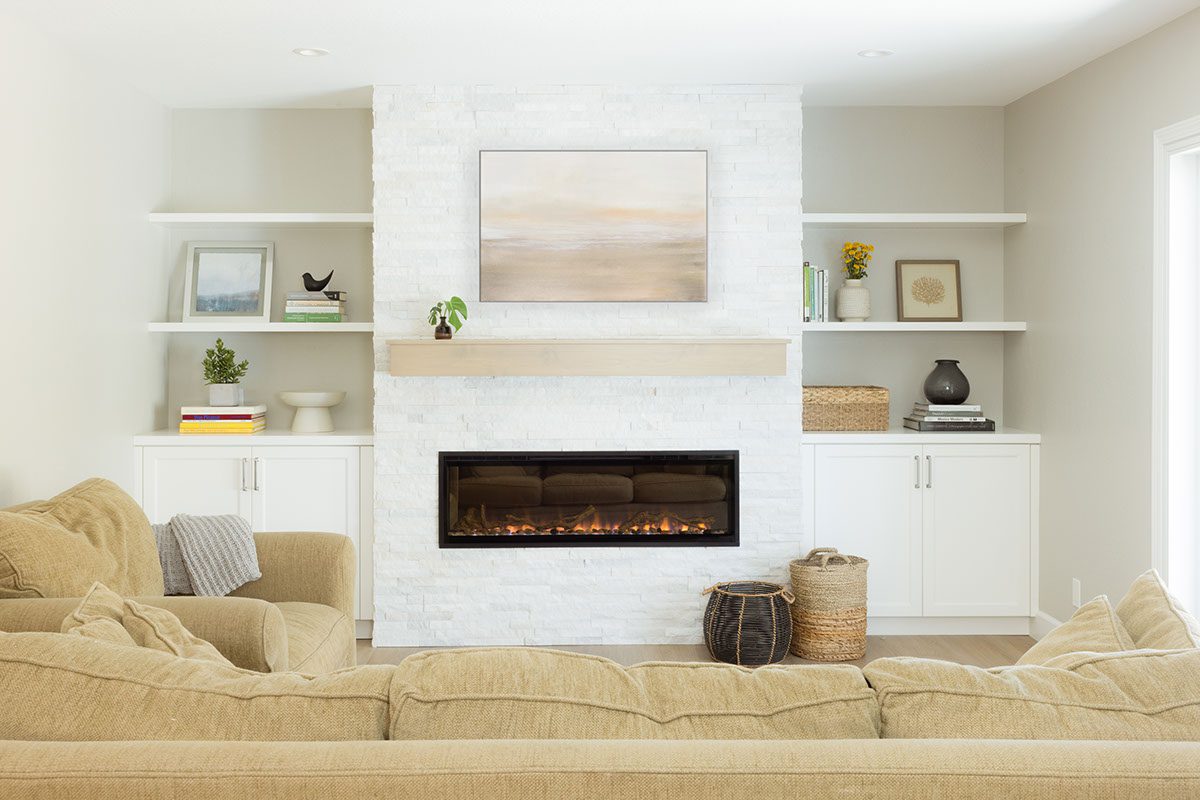
- Partial walls or built-in shelving define zones without closing spaces.
- Glass partitions maintain sightlines while reducing sound travel.
- Rugs, curtains, and textured finishes absorb echoes in common areas.
These tricks let your home feel spacious and connected while still supporting quiet moments.
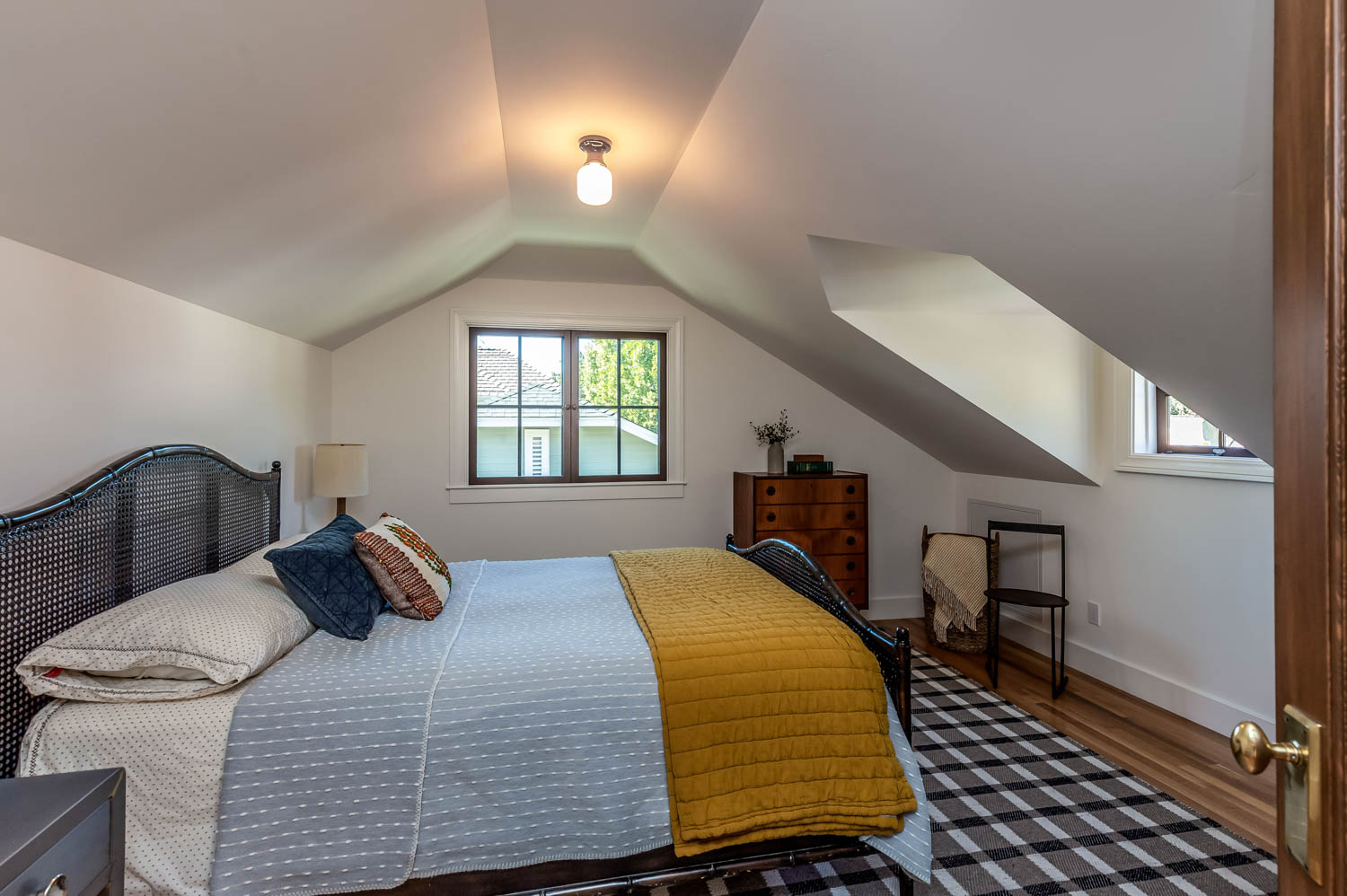
Creating a Peaceful Bedroom and Home Office
Bedrooms and home offices benefit most from acoustic attention:
- Locate these rooms away from high-traffic areas.
- Install heavy curtains or acoustic window treatments.
- Include soft flooring and upholstered furniture.
- Avoid too many hard, reflective surfaces.
Even minor changes can dramatically improve comfort and concentration.
Quick Fixes vs. Design-Phase Solutions
- Quick fixes: Rugs, curtains, door sweeps, and furniture placement. Immediate but limited impact.
- Design-phase solutions: Wall assemblies, room placement, insulation, and flooring choices. Harder to implement later, but far more effective for long-term acoustic comfort.
Tip: Plan for sound during the design phase whenever possible—it saves money and hassle later.
FAQ: Designing a Quieter Home
Q: Can open-plan homes ever be truly quiet?
A: Yes. Proper zoning, strategic furniture placement, and sound-absorbing materials make open layouts livable and peaceful.
Q: Do I need a professional acoustic consultant?
A: Not always, but for large or multi-level homes, a consultant can maximize effectiveness.
Q: What are the easiest ways to reduce noise quickly?
A: Add rugs, curtains, upholstered furniture, and door seals. These quick fixes work well but can’t replace design-phase planning.
Q: How can I create a peaceful home office or bedroom?
A: Locate away from activity zones, add soft surfaces, and use heavier doors or window treatments to block sound.
Bottom Line
Designing a quiet home isn’t about eliminating all noise—it’s about creating spaces that support both connection and retreat. By understanding how sound travels, zoning wisely, and choosing the right materials, you can enjoy a home that’s calm, private, and adaptable to busy modern life.