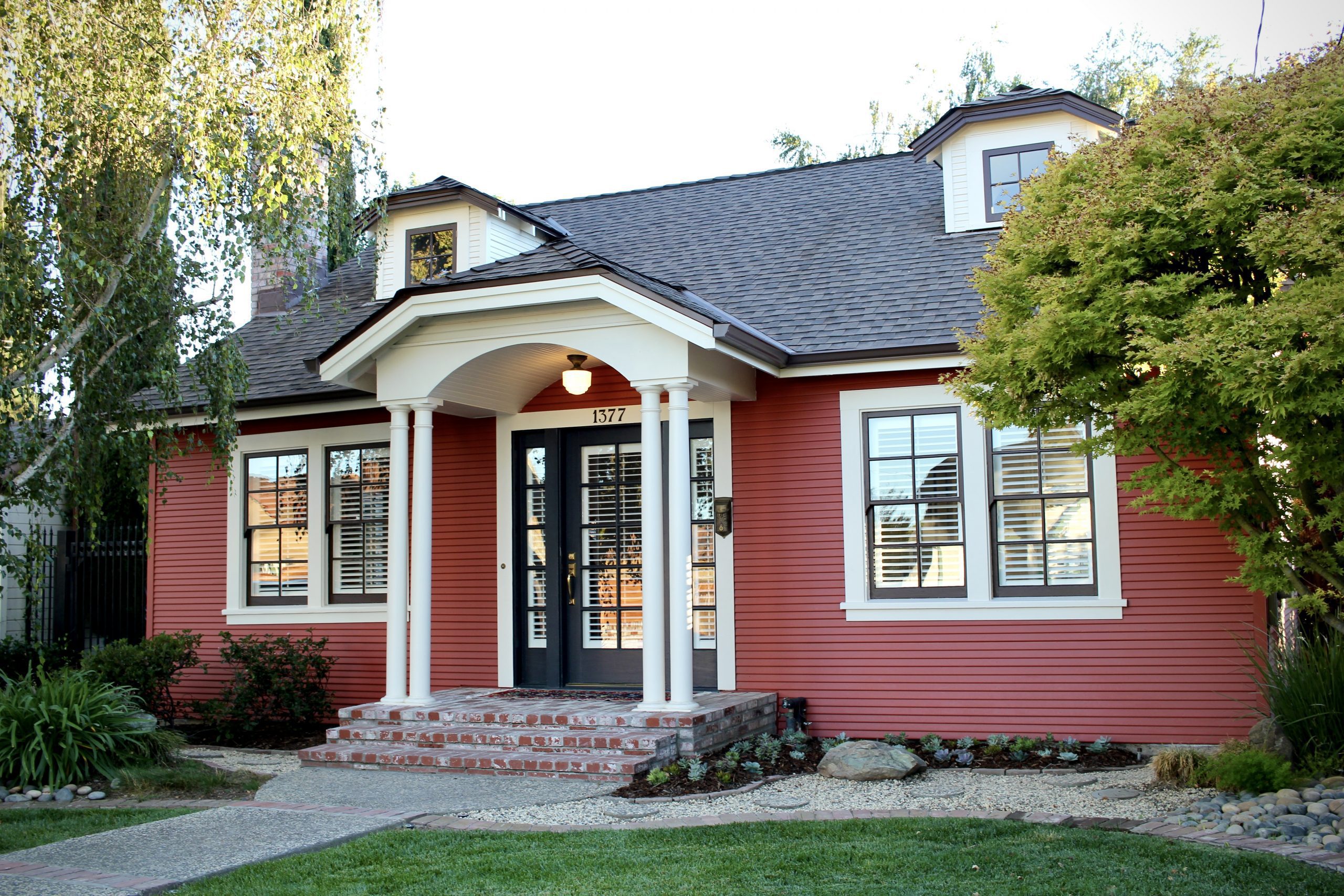

Older homes offer a level of character and craftsmanship that’s increasingly hard to find — but they also come with layers of complexity. If you’re considering an old home remodel, success depends on looking beyond surface updates and planning thoughtfully from the start. In this guide, you’ll find real before-and-after inspiration along with practical guidance on how to remodel an old house, what to fix first, typical cost drivers, and the biggest challenges homeowners should anticipate.
Why Homeowners Choose to Remodel Older Homes
For many homeowners, remodeling an older home isn’t just about aesthetics. It’s about aligning a well-loved property with the way modern households actually live. Common motivations include:
- Compartmentalized, closed-off floor plans
- Limited or poorly located storage
- Aging electrical, plumbing, and HVAC systems
- Inconsistent lighting and circulation
- Desire to stay in a neighborhood they love
- Preserving architectural charm while improving livability
Older homes often have strong bones and desirable locations, but they benefit enormously from thoughtful reconfiguration and system upgrades. When done well, a remodel can dramatically improve daily comfort while maintaining the home’s original personality.
Special Considerations for Older Homes in Silicon Valley
Remodeling older homes in San Jose, Santa Clara, and surrounding Peninsula communities comes with region-specific factors that homeowners should understand early. Local factors that often influence projects:
- Permitting timelines: Bay Area jurisdictions often require detailed plan review and approvals, which can extend pre-construction timelines compared to other parts of the country.
- Aging housing stock: Many homes in Silicon Valley were built between the 1940s and 1970s, which means outdated electrical capacity and plumbing are common findings.
- Tight lot configurations: Neighborhoods in Santa Clara and San Jose frequently have setback and lot coverage constraints that influence expansion options.
- Seismic considerations: Structural upgrades may be recommended to improve resilience, particularly in older foundations.
- High-performance expectations: Silicon Valley homeowners often prioritize energy efficiency, comfort, and long-term livability alongside aesthetics.
Real Old Home Remodel Before and Afters
Saratoga Kitchen Transformation
Step inside this bright, open kitchen transformation in Saratoga and see how thoughtful planning can completely reshape the way a home lives. What was once a small, enclosed kitchen is now a light-filled gathering space designed for modern Silicon Valley living. By reworking walls and improving circulation, the design team created a more generous footprint with clear sightlines and natural flow.


Before: This kitchen was isolated from adjacent living spaces, with limited counter space and finishes that no longer supported the homeowners’ daily routines.
After: Strategic wall removal, improved lighting, and a large central island created a more connected and functional layout. Warm wood tones and tailored cabinetry preserved the home’s character while modernizing performance.
Why it works: The design focused first on flow and function, then layered in finishes that respected the home’s architectural roots.
Cupertino Modern European Remodel
This Cupertino remodel transformed an aging home’s kitchen that had suffered from deterioration and outdated finishes. The homeowners, now empty nesters, sought to modernize their old house with a bright, Modern European look featuring white cabinetry, open spaces, and clean lines. By removing walls and repurposing unused areas, the design created an airy, functional layout complete with a shared bar and beverage station, warm finishes, and elegant materials that refreshed the character of their older home.


Almaden Suburban Ranch Transformation
This 1975 suburban ranch in Almaden underwent a dramatic transformation to modernize its dated layout and materials while honoring its original character. Once cramped and closed-off, the old kitchen and dining areas were reimagined into a spacious, open-concept hub ideal for this active family’s entertaining lifestyle. By removing walls, raising ceilings, and adding industrial-modern finishes like brick tile, black accents, and concrete sinks, the remodel turned an outdated home into a cohesive, contemporary gathering space that feels both stylish and functional.
1961 Bathroom Remodel
This cozy bathroom hadn’t been upgraded significantly since 1961. Switching to a brighter color palette, cleaner lines, and more a spa-like aesthetic can give an old bathroom a totally new look.


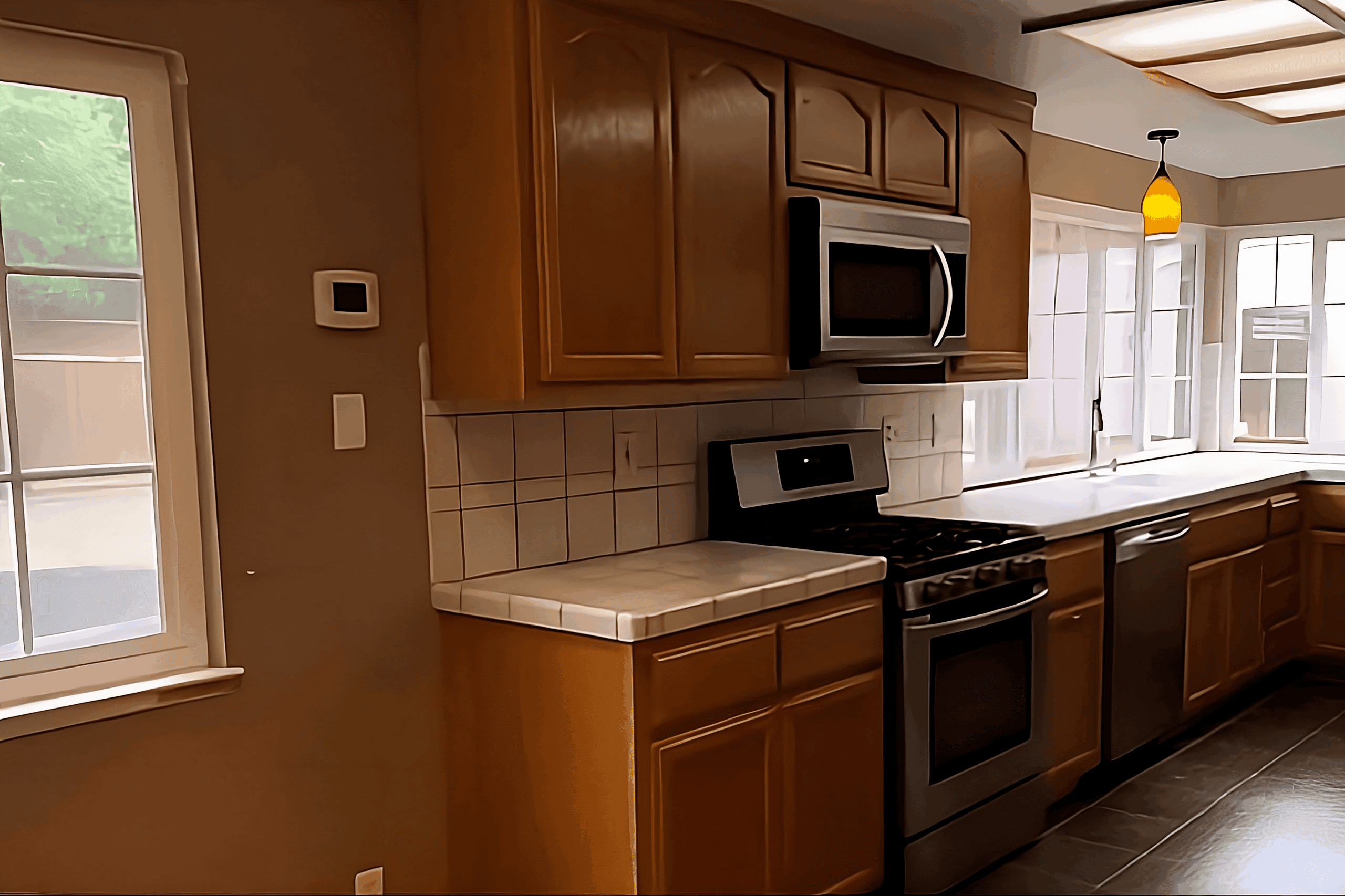
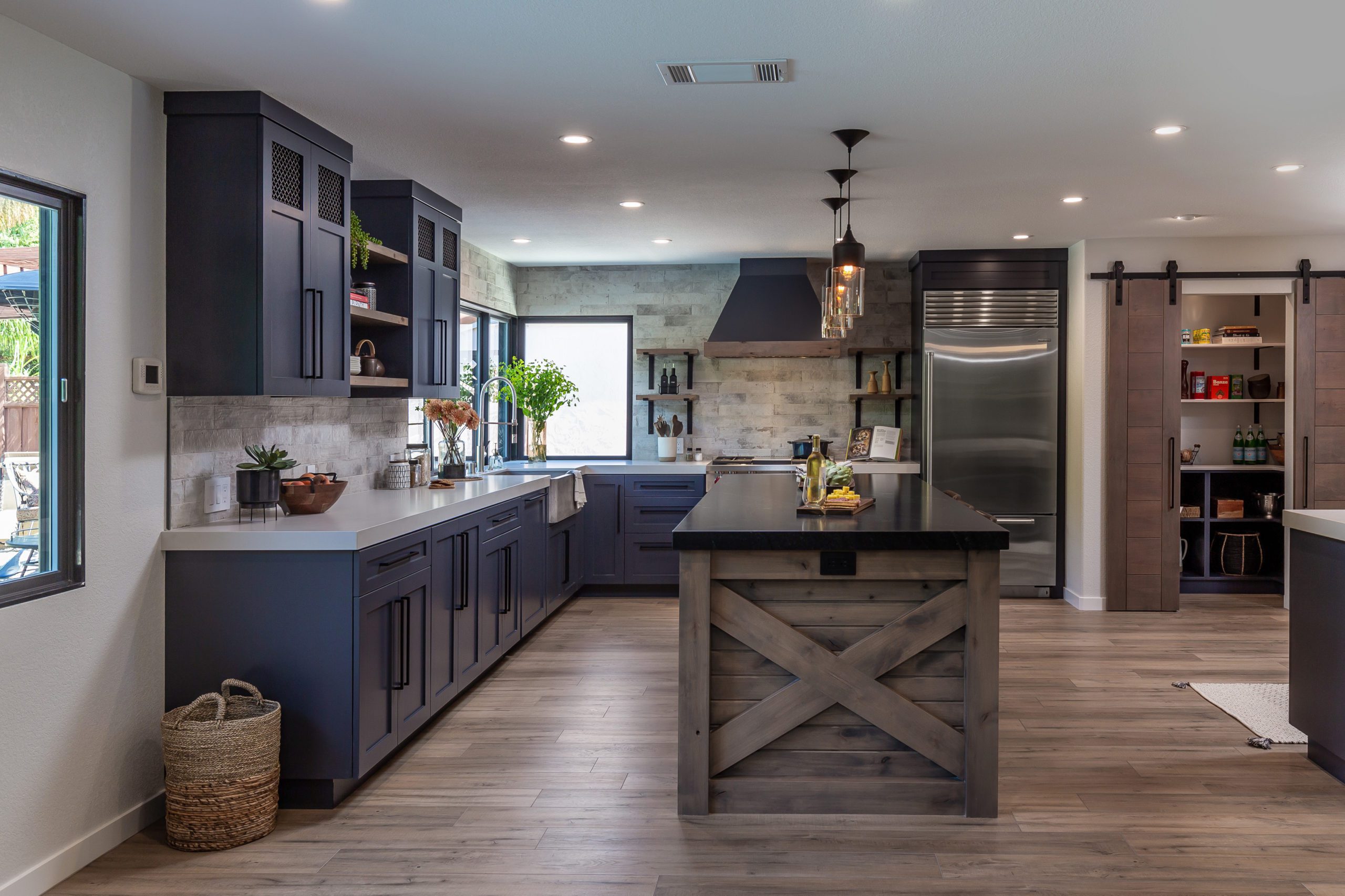
1972 Kitchen Remodel
This kitchen before and after is pretty dramatic but still typical for homes in our area. Tear the wall down and open the space up!
1920s Bathroom Remodel
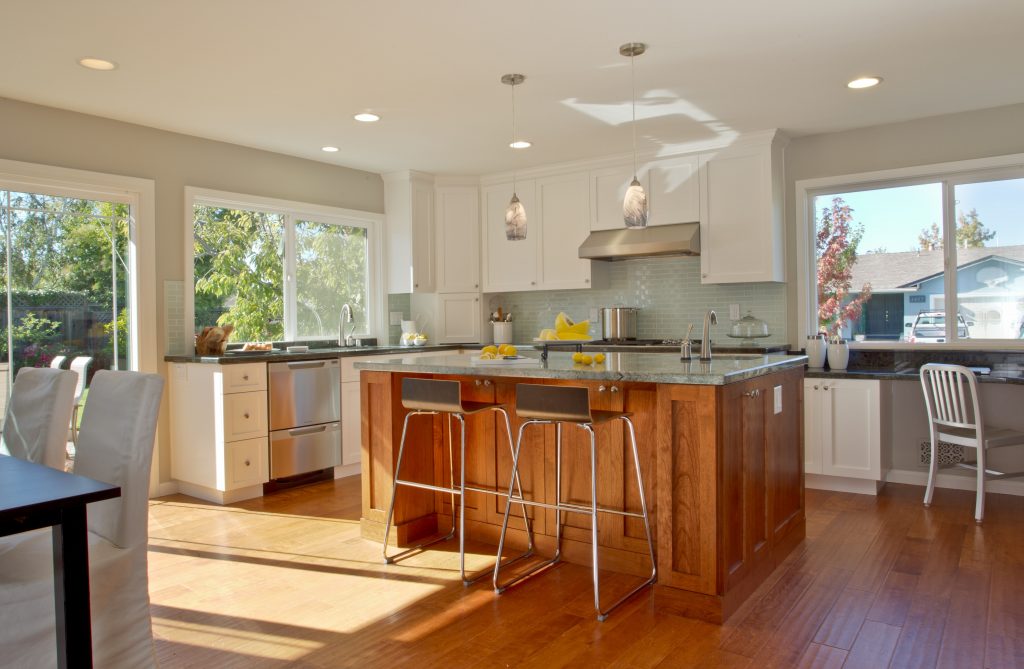
This 1920s bathroom remodel preserved the historic charm by creating an art deco feel while modernizing and opening up the bathroom layout.

1950s Kitchen Remodel
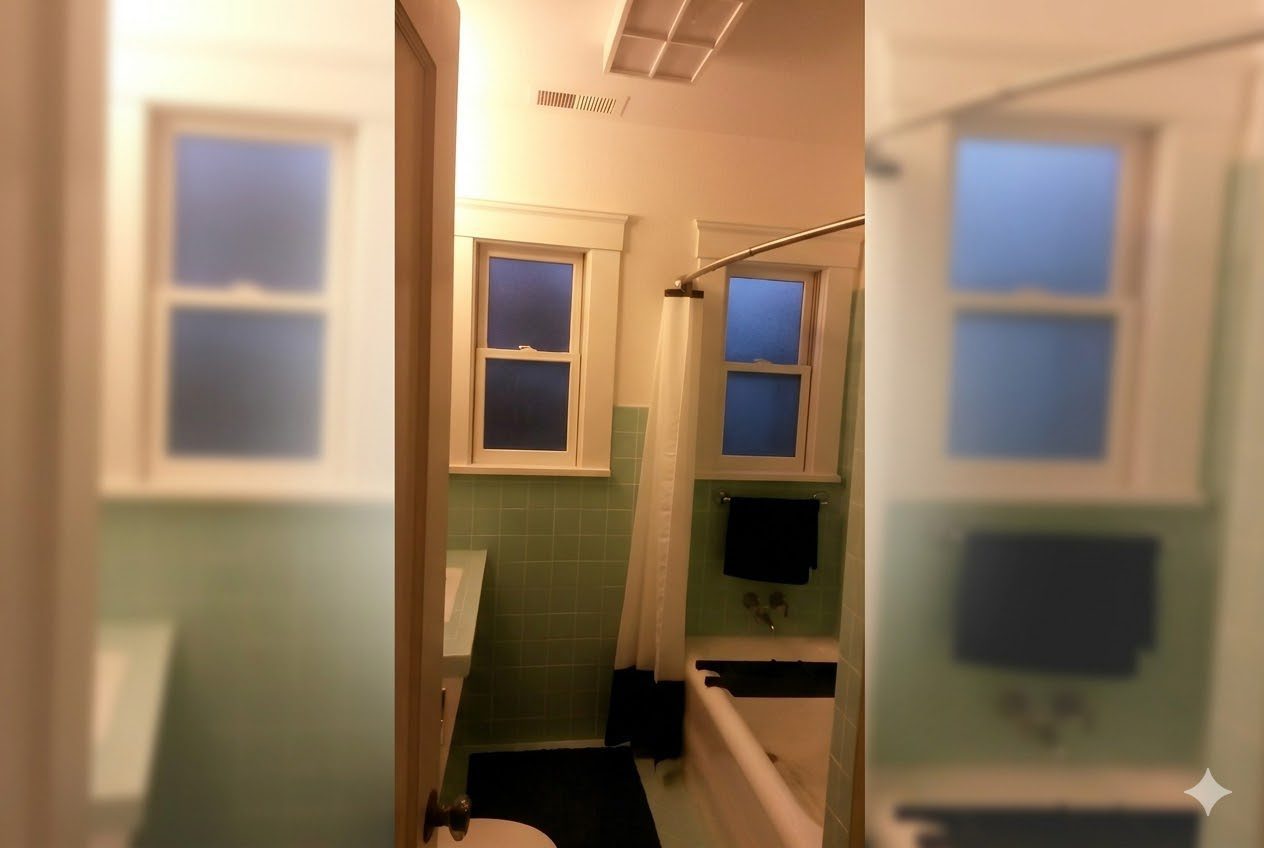
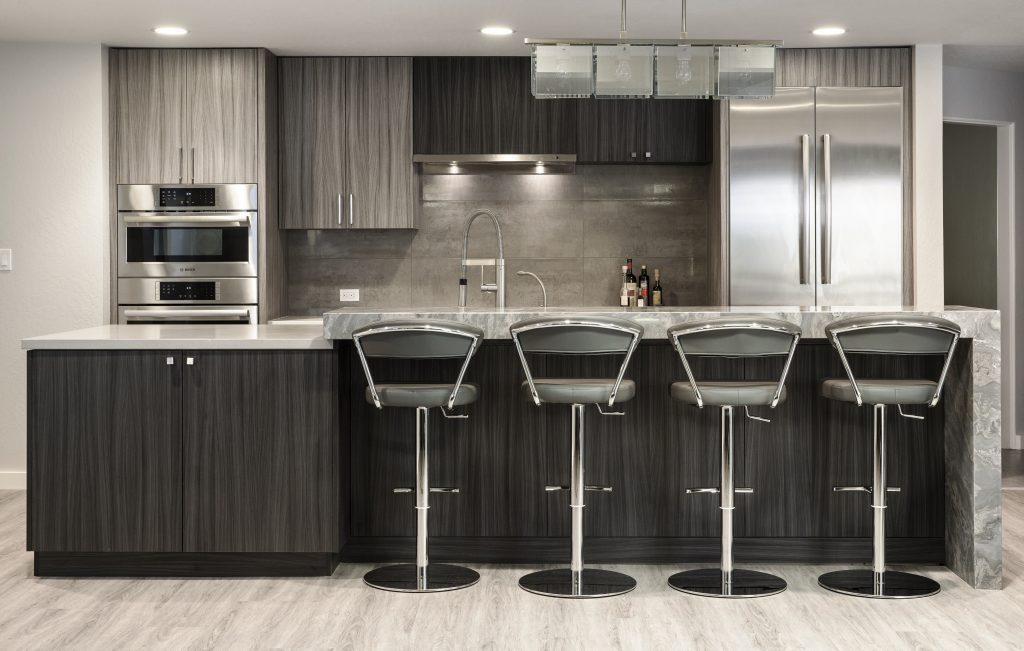
This 1950s home got a serious upgrade.The home was redesigned to enhance overall flow and introduce a contemporary, open-concept kitchen as its central gathering space. Removing the kitchen walls brought in more natural light, created a seamless connection with the living and dining areas, and significantly improved the layout of this Santa Clara residence.

How to Remodel an Old House: Start With the Right Priorities
One of the most common missteps in old home remodeling is focusing too early on cosmetic upgrades. Paint colors and tile selections matter — but only after the home’s infrastructure and layout are properly addressed. A thoughtful remodel typically follows this sequence:
- Structural and envelope evaluation
- Mechanical systems assessment
- Layout and circulation improvements
- Energy performance upgrades
- Finish selections and detailing
Taking this phased approach helps prevent rework, protects your investment, and ensures the finished home performs as beautifully as it looks.
What to Fix First in an Old Home
If you’re wondering what to fix first in an old home, prioritize the elements that affect safety, durability, and long-term performance.
| Priority System | Common Finding | Why It Matters First |
|---|---|---|
| Electrical Systems | Many older homes were not designed for today’s electrical loads. | Upgrading panels, circuits, and wiring improves safety and supports modern living. |
| Plumbing Infrastructure | Aging supply lines and drain systems. | Addressing this proactively prevents pressure issues, leaks, or future failures. |
| Envelope & Foundation | Signs of water intrusion, settlement, or movement. | These issues only become more expensive over time if not evaluated early. |
| HVAC & Envelope | Uneven temperatures, drafts, and air leakage. | Upgrading heating, cooling, and insulation dramatically improves comfort and efficiency. |
Planning insight: If it’s behind the walls or affects the home’s performance, evaluate it before selecting finishes.
Biggest Problems in Old House Remodels (and How to Avoid Them)
Older homes almost always reveal surprises once construction begins. The goal isn’t to eliminate risk entirely — it’s to plan intelligently so surprises are manageable rather than disruptive. Common challenges include:
- Hidden conditions: Opening walls often reveals outdated wiring, plumbing modifications, or past repairs that weren’t visible during initial walkthroughs.
- Layout constraints: Many older homes were designed for a different era of living, which can make open flow, larger kitchens, or expanded primary suites more complex to achieve.
- Structural limitations: Load-bearing walls, low ceiling heights, and foundation conditions can influence design options and construction methods.
- Code and permit updates: Remodeling often triggers requirements to bring portions of the home up to current building codes.
- Scope creep and budget pressure: Without clear planning, homeowners may add changes mid-project, which can affect both cost and timeline.
Experienced teams mitigate risk through thorough existing-conditions documentation, early structural review when layout changes are planned, clear scope definition before construction, and realistic contingency planning.
Cost to Remodel an Old House: What Drives Investment
Homeowners often ask about the cost to remodel an old house. While every project is unique, older homes typically require more behind-the-walls work than newer properties. Primary cost drivers include:
- Overall size and scope of the remodel
- Condition of existing electrical, plumbing, and HVAC systems
- Structural modifications required
- Level of finish and material selections
- Permit complexity and local requirements
- Accessibility of the existing structure
In many older homes, a significant portion of the investment goes toward infrastructure improvements that may not be immediately visible but dramatically improve comfort, safety, and longevity. In older homes, the most valuable upgrades are often the ones you don’t see.
Is It Worth Remodeling an Old Home?
For many homeowners, remodeling is absolutely worthwhile — particularly in established neighborhoods where location and lot value remain strong. Remodeling often makes sense when:
- You love the neighborhood and location
- The home has meaningful architectural character
- The foundation and structure are fundamentally sound
- The layout can be improved without extreme structural work
- Staying put aligns with your long-term plans
How to Preserve Character When Remodeling
The most successful old home remodels don’t erase history — they refine and support it. Strategies that maintain architectural integrity include:
- Honor original proportions: Window sizing, ceiling heights, and trim profiles often define the home’s character more than decorative elements.
- Use complementary, not competing, materials: Thoughtful material transitions help new work feel integrated rather than appended.
- Preserve key focal points: Original built-ins, beams, or architectural details often anchor the home’s identity.
- Improve flow thoughtfully: Strategic openings often preserve more character than fully removing every interior wall.
- Layer modern comfort subtly: Lighting, storage, and performance upgrades can dramatically improve livability without visually overwhelming the home’s roots.
Frequently Asked Questions
How do you remodel an old house without overspending?
Start with a clearly defined scope, prioritize infrastructure first, and maintain a realistic contingency. The more decisions made during design, the fewer surprises during construction.
What should I replace first in an old home?
Focus on electrical capacity, plumbing infrastructure, structural concerns, and insulation before cosmetic updates.
How long does an old home remodel take?
Timeline depends on scope, permitting, and complexity. Larger remodels typically require several months of planning followed by an extended construction phase.
Can you open up walls in older homes?
Often yes, but it depends on whether the wall is load-bearing and what structural support is required. A professional evaluation is essential.
Is it worth remodeling an older home in Silicon Valley?
In many cases, yes — particularly when the home is located in a desirable neighborhood and has solid structural bones. Because land values in Silicon Valley remain strong, thoughtful remodeling often delivers both lifestyle and long-term investment benefits.
Do older homes in San Jose usually need electrical upgrades?
Many do. Homes built before modern electrical demands often require panel upgrades or wiring improvements to safely support today’s appliances, lighting, and technology needs.
Final Thought:
Older homes reward thoughtful, well-sequenced planning. With the right strategy, you can preserve the character that drew you to the home in the first place while creating a space that supports how you live today — and well into the future. To start envisioning the future of your home, get in touch with the Next Stage Design + Build team today!