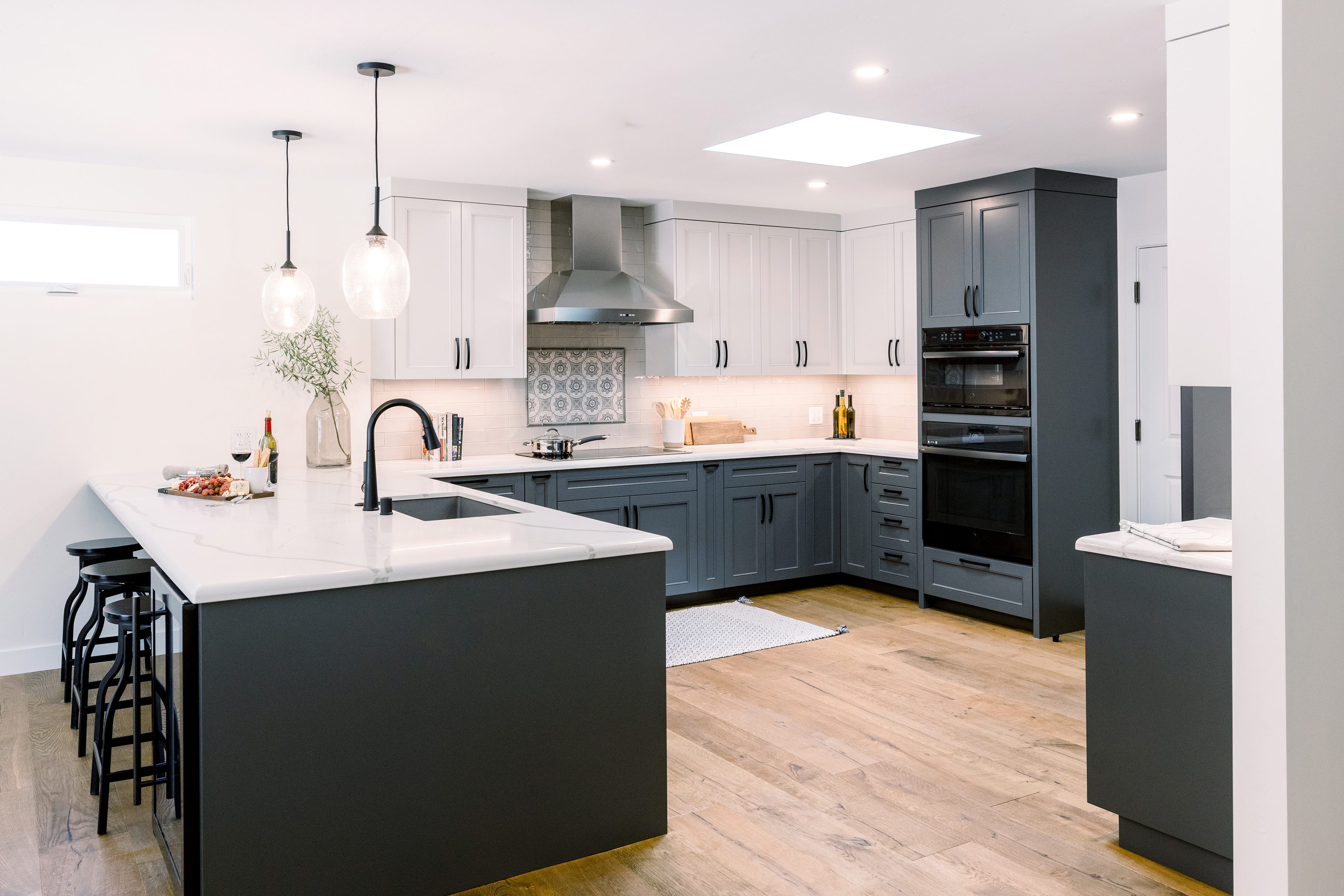
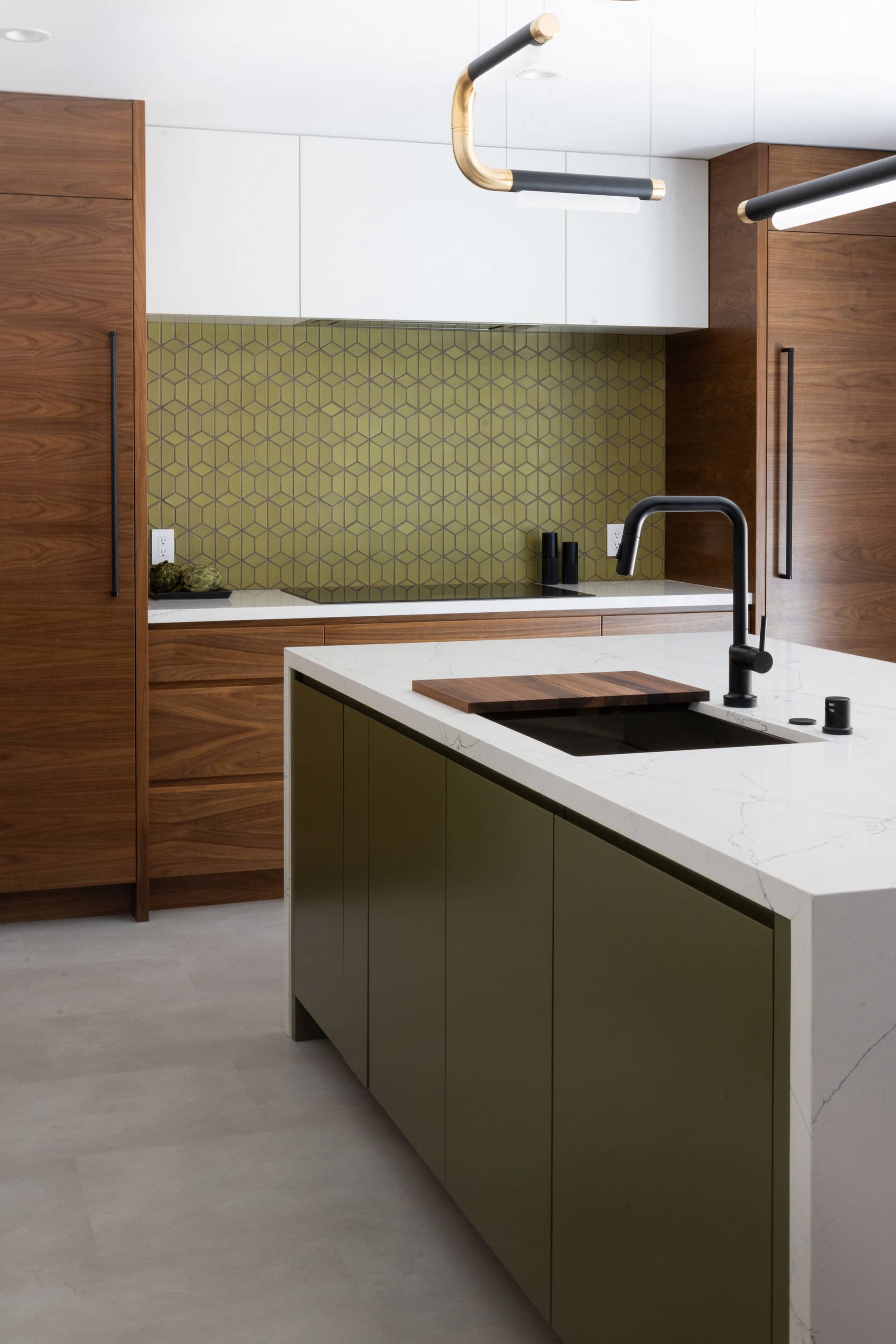
A thoughtful remodel is less about picking the perfect countertop and more about imagining how you’ll live in five, seven, even ten years. A vision-first approach begins with questions, not materials: What routines are sacred? Which spaces will change as your family ages, shrinks, or works differently? Which “someday” ideas are worth staging for now? Answering those creates a phased roadmap that respects both budget and time — and keeps you from doing the same work twice.
Start with a clear, honest vision
Spend time sketching the life you want your home to support. Not just “more storage” or “updated kitchen,” but daily flows: morning coffee spots, laundry logistics, where you’ll host friends, and whether multi-generational living may be on the horizon. This kind of behavior-based thinking surfaces priorities that finishes alone will never reveal, and it helps you decide what needs to happen now versus later.
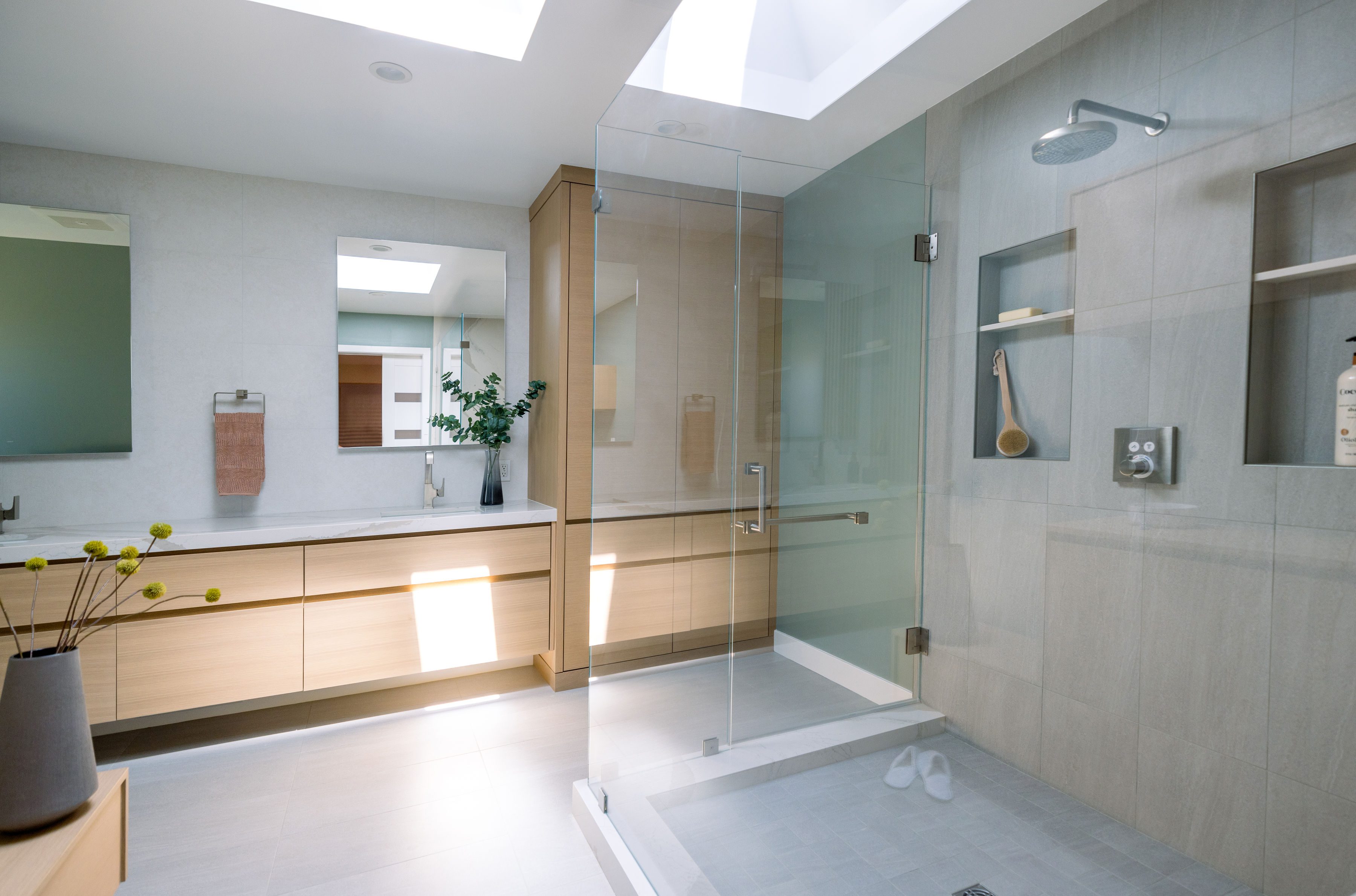
Plan in phases, but design as a whole
Phasing a remodel — doing work in logical, budget-friendly stages — gives you flexibility. But a good phase plan is the opposite of piecemeal work: it’s the chapters of one story. When you evaluate each phase, ask how it supports the overall vision. For example, routing new plumbing or electrical now for a future kitchen or bath reduces total disruption and cost when you start the next phase. The whole-house systems approach used by energy and building professionals shows how integrated planning (HVAC, insulation, envelope, systems) produces better performance than isolated fixes.
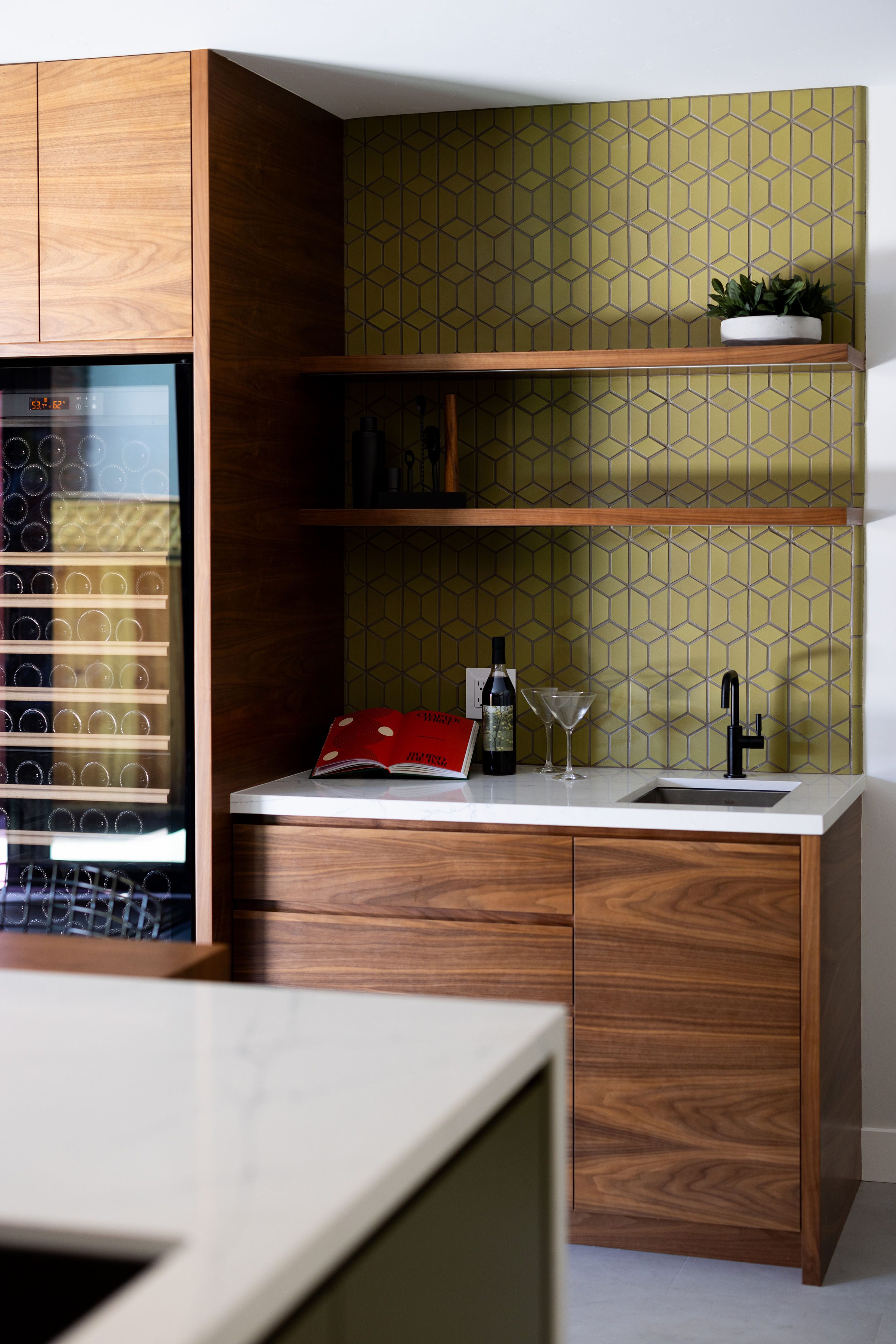
Prioritize durable systems and smart sequencing
Some upgrades are foundational: roofs, windows, major mechanical systems, and the electrical service. Tackling these early — or at least accounting for them in your plan — avoids a frustrating “new kitchen, old wiring” mismatch down the road. A phased strategy that sequences infrastructure work ahead of finish-level investments prevents tear-outs and preserves your budget.
Design for how people change
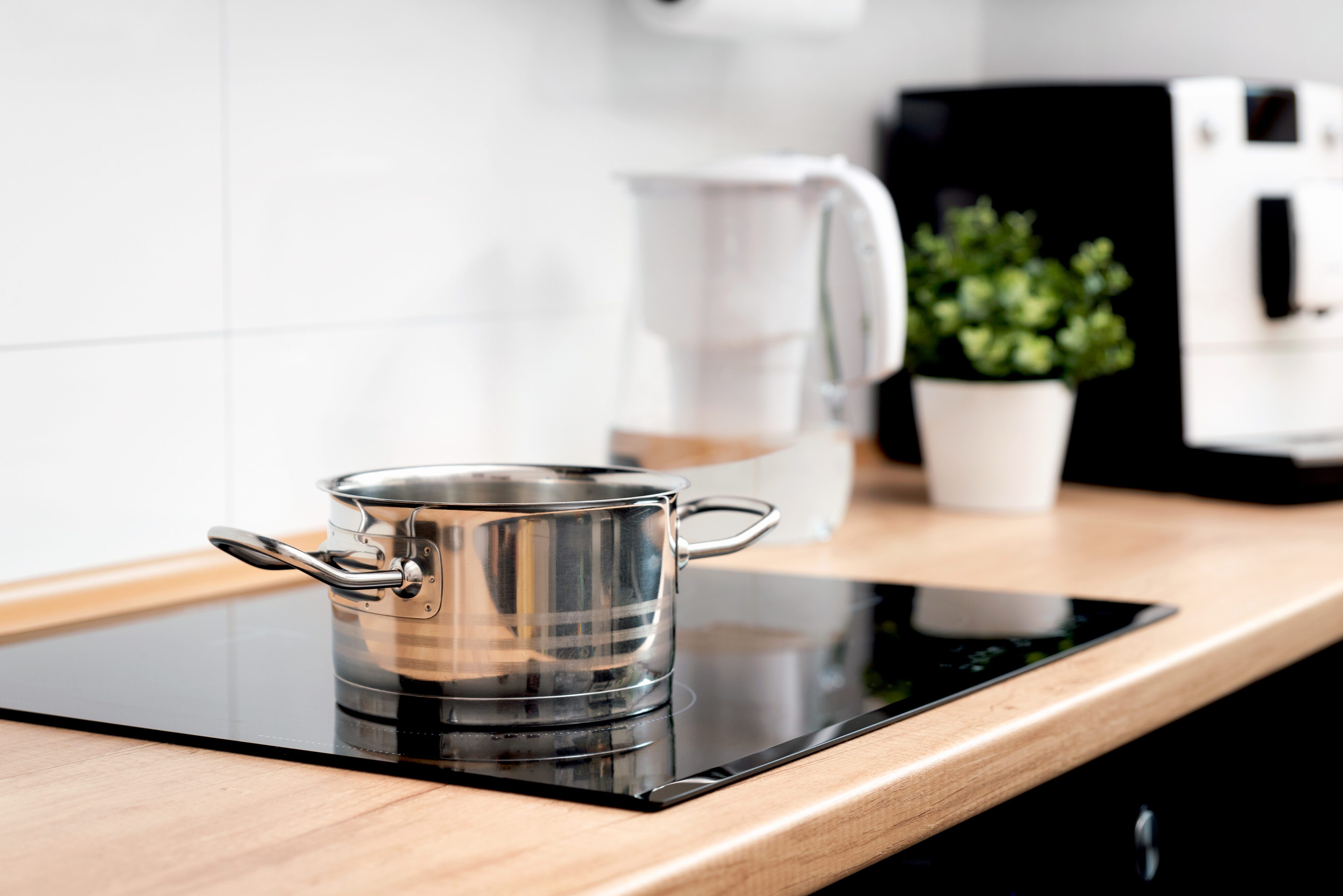
Universal design and aging-in-place principles aren’t just for retirees. Wider doorways, lever handles, non-slip surfaces, and well-planned lighting increase comfort and marketability for everyone. Organizations such as AARP provide practical, room-by-room guidance that’s easy to translate into remodeling decisions. These low-regret choices keep the home usable and reduce future retrofit costs. You can find our detailed kitchen universal design checklist here.
Weigh value: function vs. resale
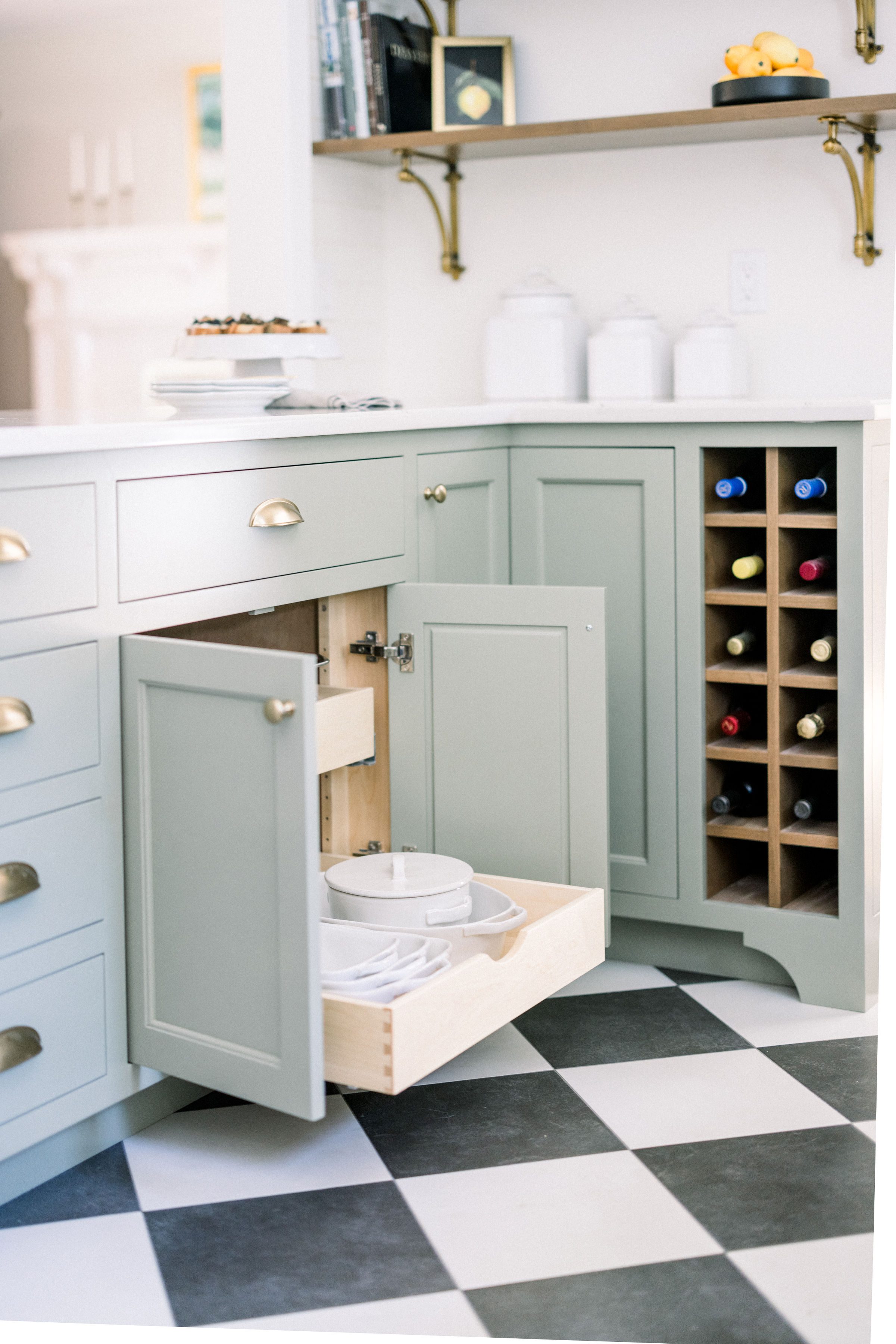
Not every investment returns dollar-for-dollar at resale, but many smart choices improve saleability and daily life. National reports on remodeling and buyer preferences show that well-executed functional upgrades (efficient systems, storage, main-level baths, and outdoor living) often outperform purely cosmetic projects in buyer appeal. Use Cost vs. Value data and local market trends when choosing scope and timing. In terms of which projects make the most impact, this article is a good resource. And here you can read on how to maximize a kitchen remodel’s ROI.
Use trends thoughtfully — not slavishly
Design trends (wellness bathrooms, flexible workspaces, outdoor kitchens) can inform your plan, but don’t let trendiness trump function. Houzz and other industry studies underscore that homeowners are investing in spaces that support wellness, flexibility, and long-term livability; lean into the aspects of trends that solve real problems for your household.
Hire for integration, not only price
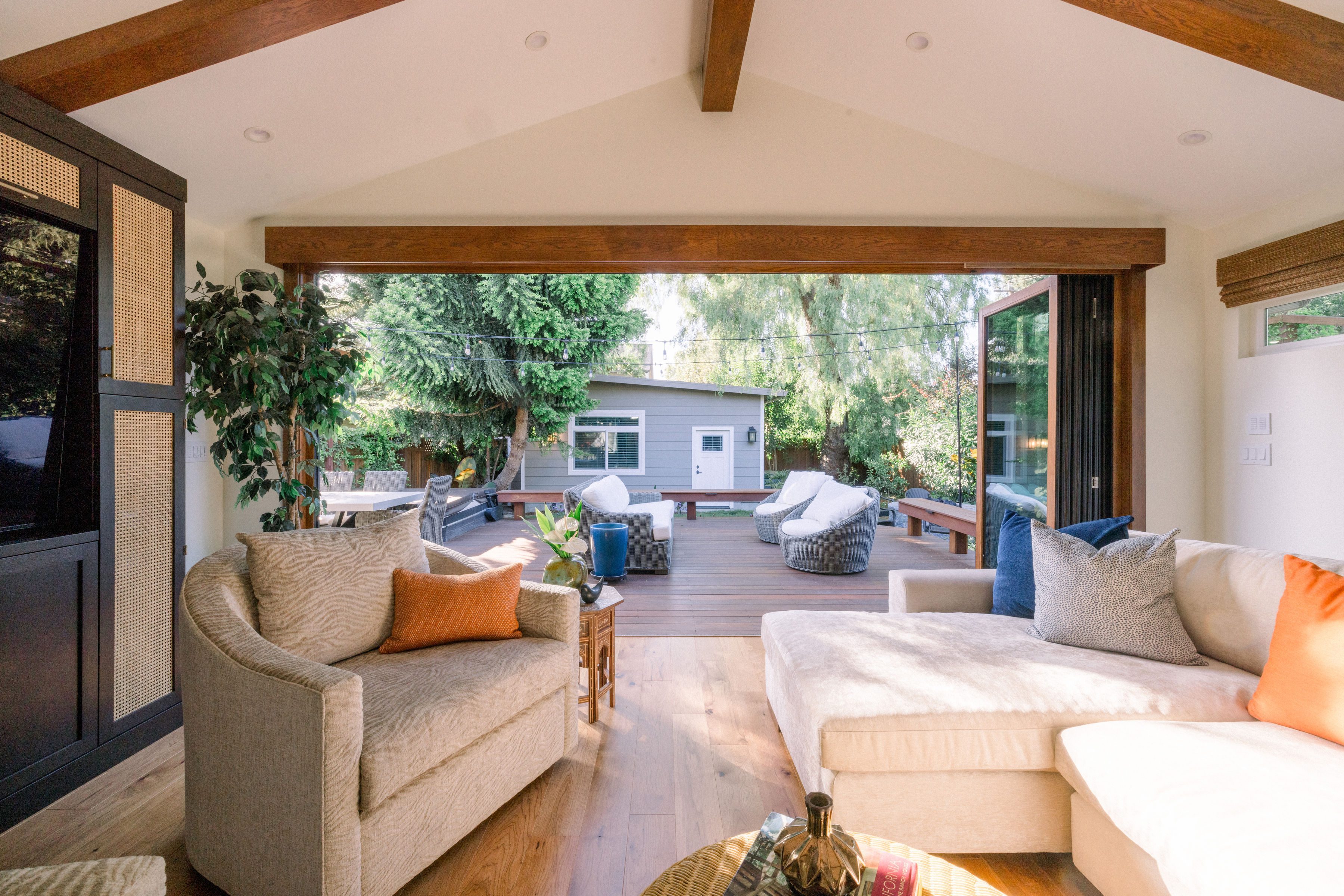
Look for teams who can think in chapters: designers, architects, or design-build firms that plan for future phases and coordinate systems. Single-source accountability — a design-build model or a trusted project manager — reduces the odds of conflicting plans and hidden costs later.
A practical starting checklist:
- Draft a 10-year vision: routines, likely life changes, “someday” projects.
- Audit big systems: roof, HVAC, electrical, plumbing. Identify what should move early.
- Layer in universal design: small changes now, big dividends later.
- Map a phased budget with milestones tied to functionality, not finishes.
- Talk to a design professional who can create a roadmap instead of a single-room bid.
Remodeling with a decade in mind changes the questions you ask and the choices you make. It turns renovation from a string of crises into a strategy for a home that grows with you — efficient, comfortable, and thoughtfully staged. When each phase builds on the last, your house becomes less of an endless project and more of a durable, flexible backdrop for the next chapter of life.
To start imagining how your home can evolve over the next ten years, contact the Next Stage Design + Build team today!